Introduction: A Modern Way to Straighten Teeth
Clear aligners have really changed the way people view orthodontic care. Instead of dealing with metal brackets and wires, these see-through trays offer a discreet, removable, and comfy way to improve your smile. Curious about how clear aligners work and what treatment feels like day-to-day? This guide will walk you through the whole process, from your first consultation to the final retainer.
Many folks love the simplicity of clear aligners. They fit into daily life much more easily than traditional braces, especially for adults juggling work, social events, and family time. At Aventura Dental Center, we often hear questions about whether aligners can fix crowding, spacing, or bite issues without being too noticeable. Often, the answer is yes, particularly with careful planning and regular check-ins.
Before you start any orthodontic treatment, it's good to understand the basics of how it works and what you'll need to commit to for success. If you're weighing your options, check out our guide on Invisalign vs Traditional Braces or learn more about our Invisalign Dentist services to see which fits your goals best.
The American Dental Association notes that orthodontic treatment can enhance both function and appearance when planned well. Clear aligners are a popular choice today because they combine digital precision with user-friendly wear. In the sections below, you'll learn how they work, what to expect, and how to get the best results.
What Clear Aligners Are and Why They Are So Popular
Transparent trays designed for gradual tooth movement
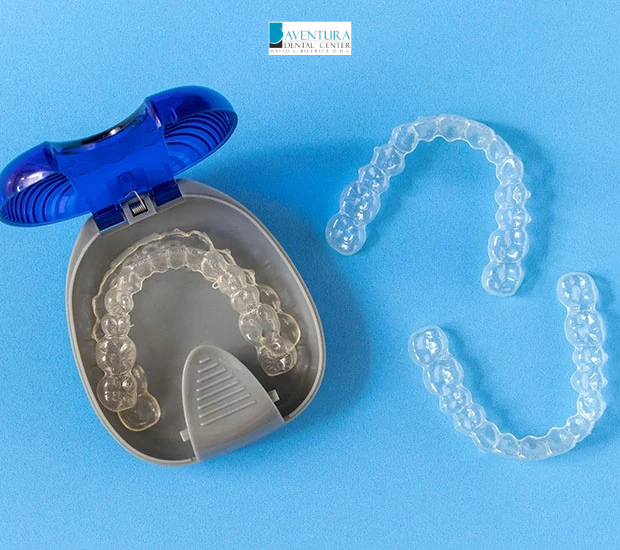
Clear aligners are custom-made plastic trays that fit snugly over your teeth. Each set is a bit different, designed to move your teeth a little closer to their final positions. Instead of applying force all at once, aligners use gentle, continuous pressure to guide movement over time.
This approach is great for folks who want a more subtle look during treatment. Teens often choose aligners because they don’t stand out in photos or social settings, while adults like maintaining a professional appearance at work. Plus, since you can remove the trays, brushing and flossing are usually easier than with fixed braces.
A flexible option for many everyday lifestyles
Aligners are popular because they’re convenient. You can take them out for meals, events, brushing, and flossing, making them feel less restrictive than braces. But remember, they only work if you wear them consistently, usually 20 to 22 hours a day.
Clear aligners are ideal for those who want a treatment that fits around travel, meetings, and family life. If you’re also thinking about other cosmetic improvements, aligners can be part of a bigger plan that might include a Smile Makeover or even Dental Veneers and Dental Laminates once your teeth are aligned. Aligning teeth first often results in a more balanced cosmetic outcome.
How Clear Aligners Work Step by Step
1. Initial consultation and oral health assessment
It all starts with a detailed dental check. Your dentist will look at tooth alignment, bite, gum health, and any existing dental work. Not everyone is a perfect candidate for clear aligners, so this visit helps determine if they’re right for you.
Sometimes, things like gum disease, untreated decay, or major bite issues need fixing first. If your smile needs more comprehensive work before you can start with orthodontics, a full Dental Checkup or even a Full Mouth Reconstruction might be recommended. Having healthy teeth and gums gives aligners a solid foundation and helps avoid treatment delays.
2. Digital scans and treatment planning
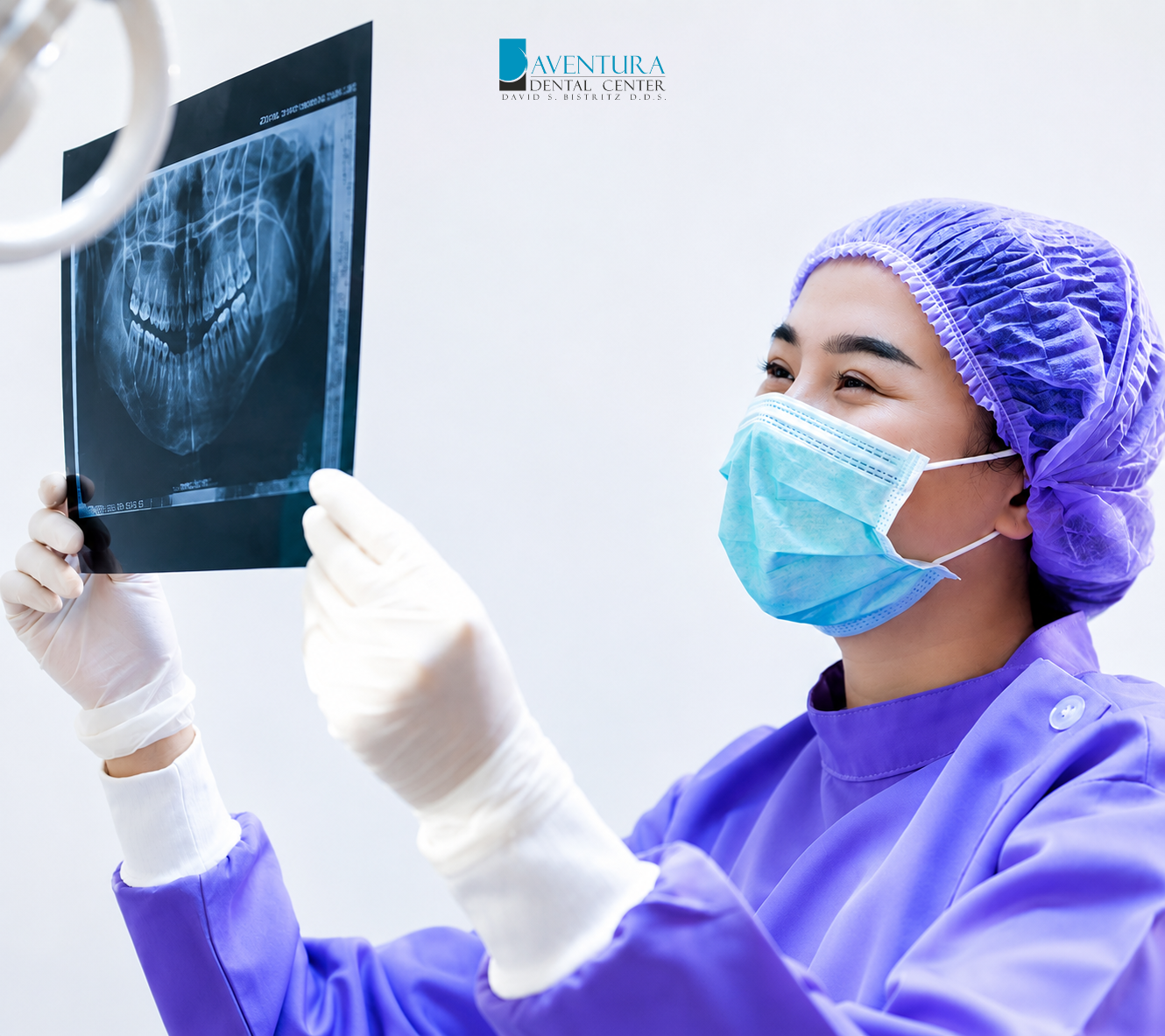
Once you’re good to go, the next step usually involves digital imaging. Modern orthodontics often uses 3D scans instead of messy impressions. These scans create a detailed model of your teeth and bite so the dentist can plan each stage of treatment.
This digital planning is a huge perk of clear aligners. Advanced software can simulate how your teeth will move and help design each tray in the sequence. Research discussed in recent AI-assisted orthodontic planning literature shows how digital tools are improving accuracy and efficiency. While technology isn’t a replacement for professional expertise, it does help deliver more personalized care.
3. Custom fabrication of the aligners
Once the plan is set, the aligners are made just for you. Each tray is crafted to fit tightly and to move your teeth slightly differently. Since every set is unique, the fit improves how well the force works.
Patients often enjoy seeing a preview of their treatment stages before fabrication begins. It helps set realistic expectations and gives you a visual idea of how your smile will change over time. This is also when your dentist will discuss treatment length, wear schedule, and the importance of consistency.
4. Wearing the aligners consistently
Once you start treatment, you’ll wear each aligner set for about one to two weeks, depending on your plan. Remove the trays only for eating, drinking anything other than water, and cleaning your teeth. Since the aligners are almost invisible, most people get used to wearing them in public quickly.
The first few days with a new tray might cause mild pressure or tenderness, which means they’re working. This feeling is usually manageable and short-lived. If you’re also addressing other dental concerns during treatment, our Dental Cleaning and Examinations service can support healthier teeth and gums.
5. Progress checks and refinements
Regular follow-up visits let the dental team check that everything’s moving as planned. These appointments are usually quick but important, as small tweaks can make a big difference in the final result. Sometimes, extra aligner sets or adjustments are needed if some teeth move more slowly than expected.
Patient cooperation is key here. Missing wear time or appointments can slow progress and cause tracking issues. A report from the National Institute of Dental and Craniofacial Research highlights the value of professional oversight in orthodontic care, especially when treatment relies on customized tooth movement. Aligners work best when the patient and provider are on the same page.
6. Retention after treatment
Once your teeth are in the right spots, treatment doesn’t stop immediately. Teeth have a natural tendency to shift back, so retainers are usually suggested to keep things in place. This retention phase is just as crucial as the active treatment.
Your dentist will explain how often to wear the retainer and how to care for it. Following these instructions helps maintain your results long term. This final stage protects your investment and keeps your new smile stable for years.
What to Expect During the First Few Weeks
Pressure, speech adjustment, and mild tenderness
You’ll likely notice the aligners right away, especially in the first few days. The trays might feel snug, and your teeth may be a bit sore as they begin to move. This is normal and usually means the treatment is working. Over-the-counter pain relief and a soft-food diet for a day or two can help if needed.
Some folks also experience a brief adjustment period with speech. A slight lisp or change in how your tongue moves can happen at first, but it usually improves quickly as your mouth adapts. The more consistently you wear the trays, the faster your mouth adjusts.
Building habits that support progress
Success with aligners early on comes from routine. A clean storage case, a steady brushing schedule, and reminders for tray changes can make treatment much smoother. Treating aligner wear like part of your daily hygiene routine can help avoid setbacks.
If your aligners are part of a broader plan to improve your smile, other services may help along the way. For instance, aligning teeth first often enhances the results of treatments like Dental Bonding or Composite Fillings by creating better symmetry and more predictable outcomes.
Who Makes a Good Candidate for Clear Aligners?
Mild to moderate crowding and spacing concerns
Clear aligners are often used for mild to moderate crowding, gaps between teeth, and some bite issues. They can also improve cases where teeth have shifted after earlier orthodontic treatment. Many adults prefer aligners because they want to enhance their smile without the look of braces.
That said, not every smile needs the same solution. Complex rotations, serious bite problems, or teeth that require major vertical adjustments might need another approach. A thorough exam helps decide if aligners are enough or if another treatment would be more efficient.
Teens and adults who can follow the wear instructions
Since aligners are removable, their success depends a lot on patient habits. Teens who are responsible enough to wear and care for their trays regularly often do well. Adults with busy lives can also do great, as long as they commit to the daily wear time and follow-up visits.
If you’re still considering your options, our Invisalign Dentist team can explain if aligners fit your specific goals. You can also compare aligner therapy with other restorative and cosmetic options if your treatment plan needs more than just orthodontics. Sometimes, dental health issues like Root Canal Treatment or Tooth Extraction might need attention before starting alignment safely.
Trends, Technology, and Market Growth
Digital orthodontics continues to expand.
The clear aligner market has grown quickly because technology has made treatment more precise and accessible. 3D scanning, digital simulations, and better manufacturing methods have simplified customizing treatment plans. Patients benefit from faster processes, more predictable staging, and better communication about expected outcomes.
Market data reflects this demand. Grand View Research reports the global clear aligners market was valued at USD 8.29 billion in 2025 and is projected to reach USD 56.81 billion by 2033, growing at a CAGR of 26.95% from 2026 to 2033. This growth is tied to patient demand for discreet treatment and the wider use of digital tools in dentistry. Check out the trend data at Grand View Research.
Why personalized planning matters more than ever
Even with industry growth, the most important part of treatment is still the individual plan. No two smiles are exactly alike, which means the right tray sequence, wear schedule, and monitoring plan must be tailored to you. That’s why expert oversight is so important when using modern digital orthodontics.
In practice, personalized treatment can mean shorter treatment times for some patients, better refinements when needed, and fewer surprises along the way. The growth of clear aligners isn’t just about looks; it’s about giving dental professionals better tools to meet specific functional goals while keeping treatment comfortable for patients.
How to Improve Your Results During Treatment
Follow the wear schedule closely.
One simple way to improve your results is to wear the aligners as instructed. Every hour matters, and skipping wear time can reduce the pressure needed to keep your teeth moving. If you frequently remove the trays for long periods, treatment may take longer or require additional refinement steps.
Patients often do better when they connect aligner wear to regular daily habits. Keep the case in the same place, set reminders for tray changes, and clean the trays gently each day. These small routines make it easier to stay consistent without feeling overwhelmed.
Protect oral hygiene throughout treatment.
Clean teeth are essential when wearing aligners. Since the trays cover your teeth most of the day, trapped food and plaque can increase the risk of decay or gum irritation if brushing and flossing are inconsistent. Brush after meals whenever possible and rinse the aligners before putting them back in your mouth.
Routine professional care also matters. A preventive appointment during orthodontic care can help catch issues early and keep everything on track. If you want to support your long-term oral health while straightening your teeth, combining aligner care with regular dental cleanings and examinations is a smart strategy.
Report problems early
If a tray feels unusually loose, painfully tight, cracked, or lost, contact your provider quickly. Small issues can often be corrected before they affect the next stage of treatment. Patients who communicate early usually avoid larger setbacks and stay closer to the projected timeline.
There’s also value in reporting changes in tooth sensitivity, gum irritation, or bite discomfort. These may be minor, but they can also indicate that an adjustment is needed. Early communication helps keep treatment comfortable and predictable.
Common Questions Patients Ask About Clear Aligners
How long does treatment usually take?
Treatment duration varies based on the complexity of the case, but many patients complete aligner therapy in about 12 to 18 months. Some minor cases may finish sooner, while more involved cases can take longer. The key factor is not just the number of trays but how well the teeth respond to them.
Because every mouth is different, a personalized treatment estimate is more useful than a general average. Your dentist can explain the likely timeline after reviewing your scans and bite. In some cases, aligners may be combined with other services, including Dental Crowns and Dental Bridges or cosmetic enhancements, depending on your needs.
Are clear aligners suitable for severe cases?
Clear aligners work well for many mild to moderate orthodontic concerns, but severe crowding, major bite discrepancies, or complicated tooth movements may call for different approaches. This is why a consultation is so important. The best treatment is the one that meets your dental goals efficiently and safely.
If your case is more complex, your dentist may recommend a hybrid plan or an alternative orthodontic solution. The goal is not to force aligners into every scenario but to choose the treatment that creates the healthiest result.
Do aligners hurt?
Most patients describe aligner pressure as mild to moderate rather than painful. The sensation usually appears when switching to a new tray and fades after a day or two. If discomfort is severe or doesn’t improve, it should be discussed with your dental provider.
It’s helpful to remember that some pressure is expected. That gentle force is what makes the teeth move. The key is keeping discomfort manageable and making sure the treatment remains on track.
Conclusion: A Clear Path Toward a Better Smile
Clear aligners offer a modern, patient-friendly way to improve tooth position, bite function, and smile confidence. They work by applying controlled pressure through a series of custom trays, each one designed to move the teeth a little further along the plan. With proper scanning, careful treatment design, and consistent wear, many patients achieve excellent results without the look or feel of traditional braces.
As with any orthodontic treatment, success depends on a combination of professional guidance and patient commitment. Wearing the aligners as instructed, maintaining excellent oral hygiene, and attending regular checkups all play a major role in the outcome. If you are considering treatment and want to understand how aligners might fit your goals, our team can help you evaluate your options and build a plan that matches your lifestyle.
For patients who want a discreet way to straighten their teeth, clear aligners can be a strong investment in both oral health and confidence. To explore whether this treatment is right for you, schedule a consultation with Aventura Dental Center or ask about related options like smile makeover planning and orthodontic care. A healthier, straighter smile may be closer than you think.
Ready to get started? Contact Aventura Dental Center at (305) 677-0511 or visit us at 18171 Biscayne Blvd, Aventura, FL 33160, USA to learn more about clear aligner treatment and your next steps.