
Root Canal Treatment
Care that removes infected pulp, eases pain, and helps save your natural tooth.

What Is Root Canal Treatment?
Root canal treatment (endodontic therapy) is a procedure designed to save a tooth that has become infected or severely decayed. The infection originates in the dental pulp — the soft tissue inside the tooth — and can cause intense pain, sensitivity, and swelling if left untreated.
During the procedure, the infected pulp is carefully removed, the interior of the tooth is cleaned and disinfected, and the space is filled and sealed. The tooth is then protected with a crown or filling. Root canal treatment relieves pain and allows you to keep your natural tooth — avoiding the need for extraction and replacement.
Benefits of Root Canal Treatment
Save Your Natural Tooth
Keep your original smile.
Pain Relief
Removes infection source and eases pain.
Comfort
Modern techniques make it no more painful than a filling.
Prevent Spread
Stops infection from spreading.
- Preserves natural bite and chewing function
- Prevents adjacent teeth from shifting into the empty space
- No need for extraction — avoids more complex replacement procedures
- Stops the infection before it reaches the jawbone or bloodstream
What to Expect — Root Canal Procedure
- Examination and X-rays to assess the infection and tooth structure.
- Local anesthesia administered to ensure complete comfort during the procedure.
- Small access opening made in the tooth; infected pulp removed using specialized instruments.
- Canals cleaned, disinfected, and shaped — then filled with a biocompatible material (gutta-percha).
- Temporary or permanent filling placed; crown recommended later to protect the restored tooth.
- Follow-up to check healing and place final restoration.
How to Care After a Root Canal
- Wait for numbness to wear off before eating to avoid biting your cheek or tongue
- Avoid chewing on the treated tooth until a permanent crown or filling is placed
- Take over-the-counter pain relievers as recommended for mild soreness
- Brush and floss normally — gentle care around the treated area
- Avoid hard or sticky foods for the first few days
- Follow up for your permanent restoration — the tooth needs a crown to remain functional long-term
- Report any persistent pain, swelling, or discomfort to your dentist
Key Features of Root Canal Treatment
- Saves the natural tooth from extraction
- Performed under local anesthesia for patient comfort
- Advanced rotary instruments for efficient canal cleaning
- Digital X-rays for precise diagnosis
- Usually completed in 1–2 visits
- Treated tooth can last a lifetime with proper care
- Protects adjacent teeth from shifting
- Covers most molars, premolars, and front teeth
Signs You May Need a Root Canal
A tooth that is infected or badly damaged often gives you warning signs. If any sound familiar, have the tooth checked promptly.
- A persistent toothache — ongoing or throbbing pain, sometimes worse at night or when you lie down.
- Lingering sensitivity to hot or cold — discomfort that stays for a while after the heat or cold is gone.
- Pain when biting or chewing — tenderness or a sharp jolt when pressure is put on the tooth.
- Swelling or tenderness in the gums — puffiness, a small pimple-like bump, or soreness near the tooth.
- A darkening tooth — a tooth that has become noticeably discolored compared with its neighbors.
- A deep cavity or cracked tooth — decay or a crack deep enough to reach the pulp inside.
These symptoms can have more than one cause, and some infected teeth cause little or no pain at all. Only Dr. Bistritz can confirm whether a root canal is needed after an exam and X-ray.
Why Saving the Tooth Matters
Whenever it is realistic, keeping your natural tooth is usually the healthiest choice. A root canal treats the infection from the inside so the outer tooth can stay in place — typically less disruptive to your bite than extraction and replacement.
- Preserves natural chewing — your own tooth keeps biting and chewing feeling normal.
- Keeps neighboring teeth aligned — filling the space helps prevent the surrounding teeth from drifting or tilting.
- Supports the jawbone — the tooth root continues to hold and stimulate the bone around it.
- Often more straightforward — saving the tooth can avoid the more involved steps of extraction and replacement.
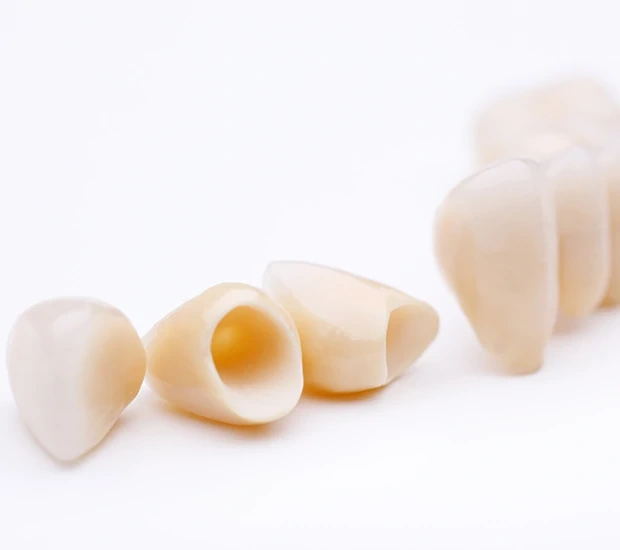
Because a treated tooth can become more brittle over time, it is often restored afterward with a dental crown that protects it and restores its full strength for everyday use.
The Root Canal Procedure, Step by Step
- Exam and X-ray — Dr. Bistritz examines the tooth and takes an X-ray to see the shape of the canals and confirm the infection before treatment begins.
- Local anesthesia — the tooth and surrounding gums are numbed so you stay comfortable throughout the procedure.
- Removing the infected pulp — a small opening is made in the top of the tooth, and the infected or inflamed pulp is removed from inside.
- Cleaning the canals — the canals are carefully cleaned, disinfected, and shaped so no infection is left behind.
- Filling and sealing — the cleaned canals are filled with a biocompatible material and sealed to keep bacteria out.
- Restoring the tooth — the tooth is rebuilt with a filling or, in many cases, protected with a crown so it can handle normal chewing.
- Follow-up — a follow-up visit lets Dr. Bistritz confirm the tooth is healing well and place the final restoration if needed.
Recovery and Aftercare
Most people return to their normal routine the next day. It is common to feel mild soreness or tenderness around the tooth for a few days as it settles, and it usually eases with over-the-counter pain relievers. A few simple habits help it heal comfortably.
- Wait until numbness fades — hold off on eating until the anesthesia wears off so you do not bite your cheek or tongue.
- Go easy on the tooth — chew on the other side and favor softer foods until the permanent restoration is in place.
- Manage soreness — take over-the-counter pain relievers as directed for the first few days.
- Keep it clean — brush and floss as usual, being gentle around the treated tooth.
- Complete the restoration — return for your permanent filling or crown so the tooth stays protected for the long term.
- Watch for changes — contact the office if you notice lasting pain, swelling, or a restoration that feels loose.
Root Canal Questions


Contact Aventura Dental Center — Trusted Dental Services in Aventura, FL
Call us at (305) 933-2501 or email info@aventuradentalcenter.com to schedule your root canal consultation.