When you think about going to the dentist, you probably imagine the chair, a cleaning, and a quick check of your teeth and gums. But did you know that some of the most critical findings in dentistry can't be seen with the naked eye? That's where dental X-rays come in. They help uncover hidden issues like decay, infections, bone loss, and impacted teeth long before they cause pain or require expensive treatments.
Ever wonder why your dentist suggests X-rays even if everything seems fine? It's because there's more going on in your mouth than meets the eye. A comprehensive check-up often combines a visual exam with imaging, which is why regular dental checkups and cleanings are so beneficial. Let’s explore what dental X-rays can detect, how modern technology has improved the process, and why these images are an essential part of preventive dentistry.
If you're curious about radiation safety and dental imaging, the U.S. Food and Drug Administration offers a helpful overview on dental X-rays. Plus, the American Dental Association provides patient-focused insights on when X-rays are beneficial. These resources explain why early detection is often worth the minimal radiation involved: FDA dental X-ray info and ADA oral health topic on X-rays.
Why Dental X-Rays Matter More Than You Might Think
Seeing Beyond the Surface
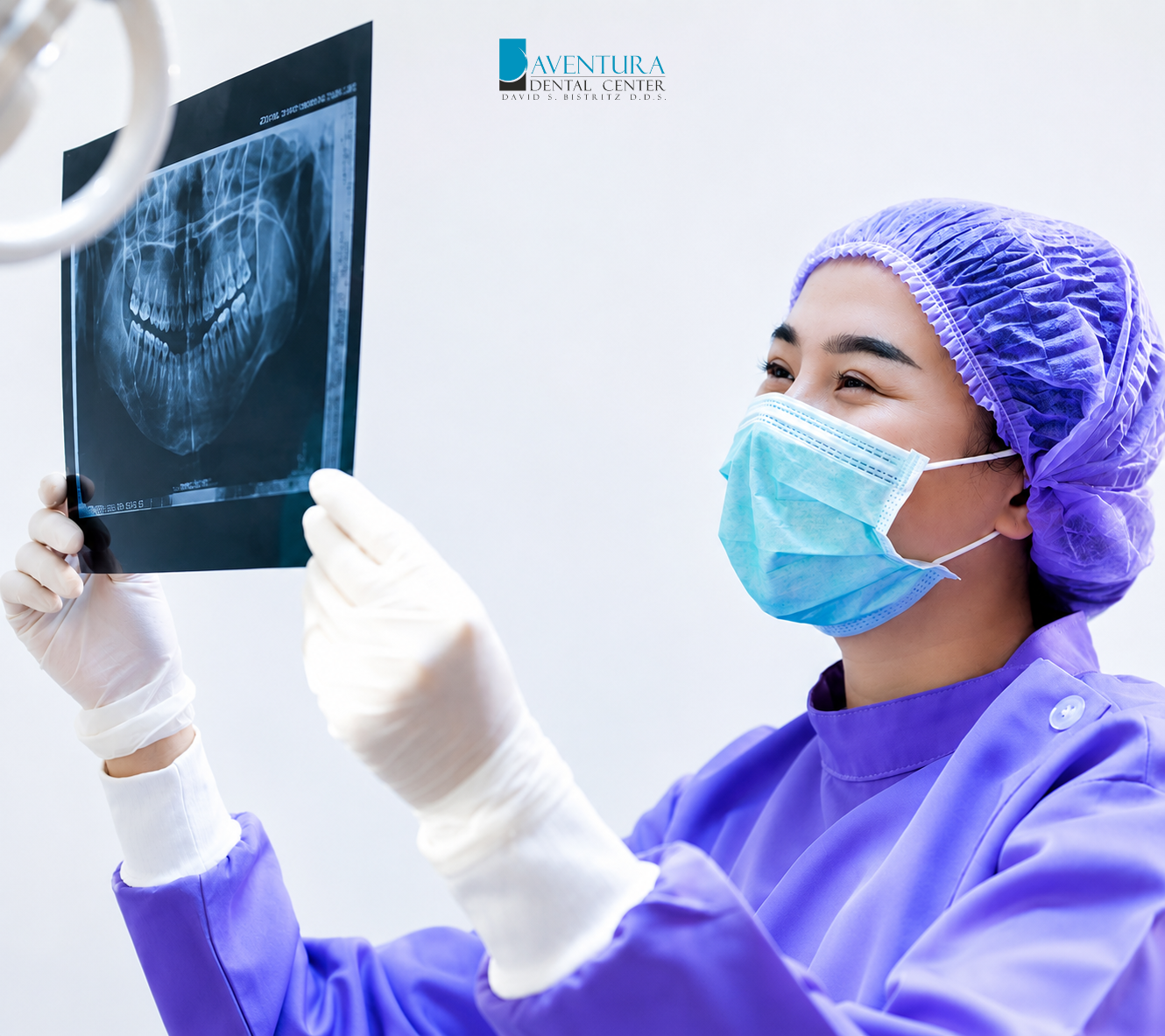
A standard dental exam is great for spotting visible issues like chipped teeth or gum inflammation. But many oral health problems start in places that a dentist can't see during a routine check. X-rays let dentists look between teeth, under fillings, inside the jawbone, and around tooth roots. This is crucial because early-stage issues are often painless.
Having this hidden information helps with better treatment planning. For instance, a small cavity caught early might only need a filling, while a deeper infection might require a root canal to save the tooth. Simply put, X-rays help dentists act sooner and keep more of your natural tooth.
X-Rays: More Than Just a Diagnostic Tool
Many people think X-rays are only used when something feels wrong. In reality, they're a preventive tool. By monitoring changes over time, dentists can spot bone loss, trapped teeth, or developing decay before they become emergencies. Imaging goes hand in hand with regular care and monitoring.
The National Institute of Dental and Craniofacial Research highlights the importance of early detection in oral health. For a wider look at preventive habits that support imaging-based care, check out our preventive dentistry strategies and the NIDCR oral health information.
What Dental X-Rays Can Reveal That You Can't See
1. Cavities Between Teeth and Under Fillings
One of the most common things X-rays uncover is interproximal decay—cavities between teeth. These spots are tough to see visually because neighboring teeth hide them. X-rays can also detect decay under old fillings or around the edges of crowns, where leaks might develop.
Early decay often doesn't cause any pain, so you might feel fine while a cavity silently grows. Once the decay reaches the dentin or inner pulp, treatment becomes more complicated. Catching it early can mean the difference between a simple filling and a more involved restoration.
2. Bone Loss from Gum Disease
Gum disease affects the structures that support your teeth, including the bone. While a dentist can check gum tissue and signs of inflammation during an exam, X-rays show what's happening below the surface. They can reveal bone loss around teeth and patterns suggesting chronic gum disease.
This is important because bone loss often creeps up slowly. You might not notice loose teeth until it's advanced. X-rays help determine how much support remains and what treatment might be necessary, like deeper cleanings or periodontal therapy. In some cases, they can show if dental implants or dentures might be needed if teeth can't be saved.
3. Infections at the Root Tips
Infections can develop inside a tooth or at the root tip, where they might not be visible during a routine exam. X-rays can show darker areas that may indicate infection or inflammation around the root. These findings are often linked to pain, swelling, or sensitivity.
Root tip infections need early detection because they can spread and damage the surrounding bone. Sometimes the tooth can still be saved with treatment. In more severe cases, urgent care might be necessary. Quickly identifying the source helps prevent symptoms from worsening and reduces complication risks.
4. Impacted Teeth and Alignment Issues
Some teeth never erupt correctly because bone, tissue, or neighboring teeth block them. Wisdom teeth are the usual suspects, but others can be impacted, too. X-rays reveal their position, angle, and depth, aiding decisions on whether to monitor, plan orthodontics, or remove them.
This information is valuable when considering cosmetic or alignment treatments. A dentist might recommend imaging before starting a smile plan, especially if orthodontic care is involved. If you're exploring clear aligners, a consultation for Invisalign, or comparing Invisalign vs Traditional Braces, often starts with X-rays to ensure safe tooth movement.
5. Cysts, Tumors, and Other Abnormalities
Though less common, X-rays can detect cysts, benign growths, and other jaw abnormalities. These issues might appear as unusual shadows or changes in bone structure. Many are discovered incidentally during routine imaging, highlighting the value of regular X-rays.
Early detection allows a dentist to refer you for further evaluation before the condition worsens. In complex cases, treatment might involve surgery or coordination with specialists, which is easier when imaging reveals problems early.
The Latest in Dental Imaging Technology
Digital Radiography: A Game Changer
Traditional film X-rays have mostly been replaced by digital radiography. Digital systems offer sharper images, instant viewing, and easier storage. They also significantly reduce radiation exposure, with many sources noting they use 80% to 90% less radiation than film-based methods.
Beyond safety, digital imaging speeds up workflow. Dentists can zoom in, adjust contrast, and compare images over time without waiting for film processing. This means faster diagnosis and treatment discussions. Plus, it eliminates chemicals used in film development, making it more eco-friendly. Patients often enjoy the comfort and convenience of digital imaging during a routine checkup.
AI Enhancing Diagnostic Accuracy
Artificial intelligence is becoming a helpful tool in analyzing dental X-rays. AI can flag early cavities, measure bone loss, and highlight subtle issues that may not be immediately obvious. These systems don't replace dentists but add another layer of review.
For instance, AI can assist with cavity detection, identify possible gum disease, and track changes in bone density. This is valuable in busy practices where speed and consistency matter. To learn how this tech is evolving, check out Overjet's summary of AI in dental image analysis: AI in dental X-ray analysis. Combined with expert interpretation, these tools make dental care more precise and proactive.
Intraoral vs. Extraoral Imaging
Not all dental X-rays are the same. Intraoral images, taken inside the mouth, provide detailed views of specific teeth and surrounding bone. They're great for detecting cavities and root infections. Extraoral images, taken outside the mouth, offer broader views of the jaw and face. They help evaluate impacted teeth and larger structural issues.
Understanding these differences helps you see why your dentist might recommend one type of X-ray over another, depending on the diagnosis.
When Dentists Decide X-Rays Are Needed
Personalized X-Ray Scheduling
There isn't a one-size-fits-all schedule for X-rays. Dentists consider factors like age, cavity history, gum health, symptoms, and how long it's been since your last imaging. Someone with frequent decay might need more regular images than someone with a low risk. Kids and teens might also require more frequent monitoring since their teeth and jaws are still developing.
This personalized approach improves care and avoids unnecessary imaging. If you're unsure how often you should have X-rays, discuss it during your dental exam.
Symptoms That Call for an X-Ray
Sometimes, an X-ray is needed because of symptoms like persistent toothache, swelling, sensitivity when chewing, or a broken filling. If a tooth changes color or feels loose, X-rays can help find out why.
When these symptoms arise, imaging offers a clear view of the underlying structures, shortening the time between concern and treatment. This is crucial if you need a filling, crown, root canal, or extraction. Problems that look similar on the surface can have different causes, and X-rays help tell them apart.
Tracking Treatment and Long-Term Changes
X-rays are also useful after treatment. They can confirm if a root canal has healed, whether bone is stabilizing after gum therapy, or if a crown fits as expected. Long-term comparison images help dentists notice slow changes that might otherwise go unnoticed.
This is particularly helpful for patients undergoing restorative work like crowns and bridges or comprehensive rehabilitation. In such cases, imaging ensures future care is based on measurable progress, not guesswork. For extensive needs, a full mouth reconstruction plan may rely heavily on these images.
What Patients Should Know About Safety and Radiation
Radiation Dose: Minimal and Safe
One of the biggest worries patients have is radiation exposure. It's understandable, but modern dental imaging uses very low doses, especially with digital technology. Dentists follow guidelines to keep radiation as low as possible. In most cases, the benefits of early detection far outweigh the minimal exposure.
Authoritative sources like the CDC and FDA offer patient-friendly info on radiation safety in diagnostic imaging. The key takeaway? Dental X-rays are used thoughtfully, not casually. They're ordered based on need, and safety protocols protect both patients and staff. For more on diagnostic imaging safety, the CDC's radiation page is a reliable source: CDC diagnostic imaging guidance.
Considerations for Pregnancy and Special Health
Pregnant patients or those with complex medical conditions often ask if X-rays are safe. In many situations, imaging can still be done with precautions, but timing and necessity should be discussed with your dentist. They'll weigh the urgency against exposure.
Clear communication is key. If you're pregnant, think you might be, or have concerns about past radiation exposure, let your dentist know before imaging begins. That way, the team can adjust the plan for your safety.
Real-Life Examples of What Dental X-Rays Reveal
An Invisible Cavity During the Exam
Take a patient with no pain or obvious dark spots on their teeth. During a routine visit, the dentist sees on X-rays that there's decay between two back teeth. Caught early, a simple restorative visit fixes the issue. Left unnoticed, the decay might have reached the nerve, requiring a root canal.
This common scenario shows why imaging is so valuable. The best dental problems are those addressed before symptoms appear. X-rays often reveal hidden issues, while treatment is still simple, comfortable, and affordable.
Bone Loss That Changes the Treatment Plan
Another patient might come in with minor gum bleeding but no major complaints. X-rays, however, reveal significant bone loss around several teeth. This changes the plan from routine cleaning to periodontal therapy and aggressive prevention. Without imaging, the condition might have progressed unnoticed.
In advanced cases, bone loss can affect the stability of teeth and influence the choice of implants or other restorative options. A patient who might need dental implants or All-on-4 Implants may first require imaging to assess bone health.
How X-Rays Support Cosmetic and Restorative Dentistry
Planning Before Cosmetic Treatment
Cosmetic care isn't just about looks. Before procedures like veneers, bonding, or whitening, dentists need to ensure teeth and supporting structures are healthy. X-rays help spot decay, root issues, or gum concerns that need addressing first, ensuring a stable foundation for cosmetic treatment.
If you're considering a smile makeover or veneers, imaging might be part of the planning process. The same goes for bonding or whitening, especially when reviewing hidden decay or old restorations.
Making Restorative Treatment Predictable
Restorative dentistry relies on accuracy. Procedures like crowns, bridges, implants, and extractions depend on understanding root shape, bone levels, and spacing. X-rays help predict how a tooth will respond and if extra steps are needed.
This is why imaging is vital before and after procedures like tooth extraction or a root canal. It reduces surprises and provides a stronger basis for long-term success.
FAQs About Dental X-Rays
Do I Need X-Rays If My Teeth Don't Hurt?
Yes, possibly. Many dental issues develop without pain early on. Cavities, bone loss, infections, and impacted teeth can all exist before symptoms show. X-rays let dentists catch these concerns early, often leading to simpler treatments.
How Often Should X-Rays Be Taken?
It depends on your oral health history and risk level. Some patients need them more frequently, while others need them occasionally. Your dentist will suggest a schedule based on age, symptoms, cavity risk, gum health, and past findings.
Are Dental X-Rays Safe for Kids?
Yes, when used appropriately. Pediatric imaging helps track tooth development, detect decay early, and identify alignment issues. Dentists use the lowest reasonable exposure and recommend only the images needed for a child's development stage.
Can X-Rays Replace a Visual Exam?
No. X-rays and clinical exams work together. A dentist needs both the visible info from your mouth and the hidden info from imaging for a complete diagnosis. One complements the other; they don't replace each other.
What This Means for Your Next Dental Visit
Ask Questions and Understand Your Results
If your dentist suggests X-rays, ask what they're looking for and how the images will impact your care. A good dental team explains findings in plain language and connects them to your treatment options. This helps you make informed decisions instead of feeling unsure about imaging needs.
At Aventura Dental Center, patient education is central to our care. Whether preventive, cosmetic, or restorative, imaging helps us build a clearer picture of your oral health and recommend the right next steps. If you're in the area, our location in Aventura, FL, makes accessing modern diagnostic care convenient.
Use X-Rays as Part of a Larger Prevention Plan
The best results happen when imaging is paired with daily home care and regular professional visits. Brushing, flossing, cleanings, and checkups all work together with X-rays to prevent bigger problems. A small finding today can prevent a major procedure tomorrow.
If you want a more complete understanding of your oral health, schedule a visit and discuss whether imaging is right for you. A timely X-ray can uncover what you can't see, protect your teeth, and help you stay ahead of future problems.
Conclusion: The Hidden Problems Dental X-Rays Help Reveal
Dental X-rays are crucial in modern dentistry because they uncover problems invisible during a standard exam. From hidden cavities and infections to bone loss, impacted teeth, and jaw abnormalities, these images provide the information needed for accurate diagnoses and effective treatments. They also support preventive care by catching issues before they become painful or costly.
With digital radiography, AI-assisted analysis, and modern safety protocols, dental imaging is more precise and patient-friendly than ever. If you're due for a checkup or have symptoms needing closer evaluation, ask your dental team if X-rays are appropriate. The right image at the right time can make all the difference in protecting your smile.
Ready to take the next step in your oral health journey? Schedule a consultation with Aventura Dental Center to learn how advanced diagnostic care can help you stay ahead of hidden dental problems.