
Composite Fillings
Natural-looking composite fillings that repair cavities and blend with your tooth color.
What Are Composite Fillings?
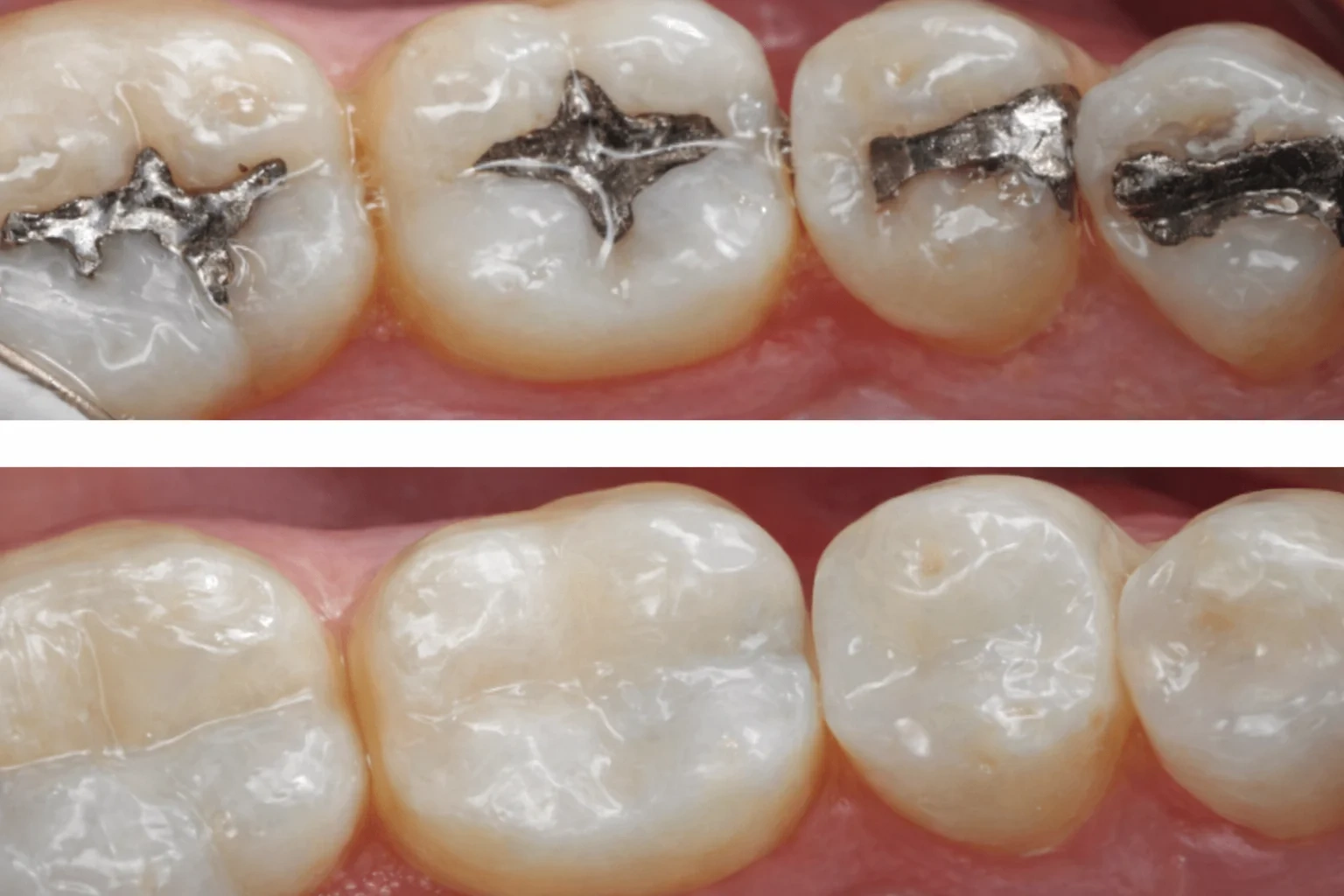
Composite fillings are tooth-colored restorations used to repair cavities caused by decay. Made from a durable resin-based material that can be precisely color-matched to your natural teeth, composite fillings offer a cosmetic alternative to traditional silver amalgam fillings. The material bonds directly to the tooth structure, which allows us to preserve more healthy tooth compared to the more invasive preparation needed for amalgam.
Composite fillings are ideal for small to medium-sized cavities in both front and back teeth. They can also be used to repair chipped, cracked, or worn teeth. In addition to their aesthetic advantage, composite materials strengthen the tooth by bonding to the enamel, creating a tight seal that minimizes sensitivity and helps prevent future decay at the restoration margin.
Benefits of Composite Fillings
Strong Repair
Bonds directly to tooth structure for a tight, lasting seal.
Natural Match
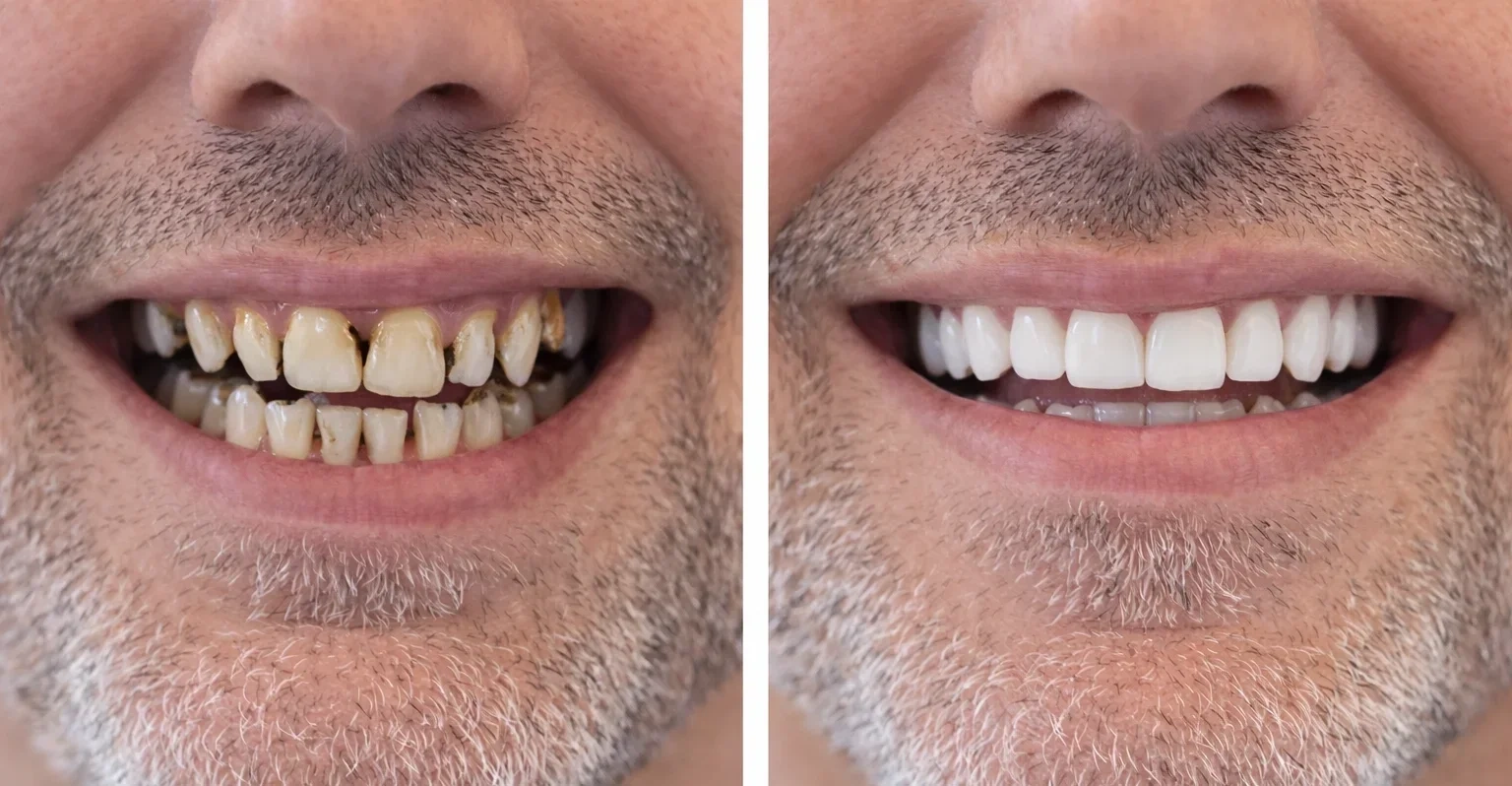
Color-matched to your smile — invisible repair.
Durable
Long-lasting with proper brushing and flossing.
Protects Tooth
Preserves more natural tooth structure than amalgam.
- No visible metal — blends naturally so no dark spots when you smile
- Less tooth removal — bonding requires less drilling than amalgam
- Immediate result — completed in a single visit, no lab wait
- Strengthens the tooth — bonding reinforces remaining enamel
What to Expect — Composite Filling Procedure
- Examination and diagnosis — the tooth is evaluated and X-rays confirm the extent of decay.
- Local anesthesia administered to numb the area if needed.
- Decay removal — the affected portion of the tooth is gently removed, leaving healthy structure intact.
- Tooth preparation and etching — the surface is conditioned to help the composite bond securely.
- Composite applied in layers — each layer is shaped and hardened with a curing light.
- Final shaping and polishing — contoured and polished to match the natural tooth anatomy.
How to Care for Composite Fillings
- Brush twice daily with fluoride toothpaste — gentle around the filled area.
- Floss daily to prevent decay at the gum line near the filling.
- Avoid chewing ice, hard candy, or biting nails — can chip the composite.
- Limit staining foods and drinks (coffee, tea, red wine) in the first 48 hours.
- Rinse with fluoridated mouthwash to protect the surrounding enamel.
- Visit your dentist regularly so we can check the integrity of your fillings.
Key Features of Our Composite Fillings
- Tooth-colored material — completely invisible in your smile
- Single-visit procedure — no temporary or lab wait
- Bonds directly to enamel for a tight, lasting seal
- Minimally invasive — preserves more natural tooth structure
- High-quality nano-hybrid composite for strength and polish
- Can repair small chips, cracks, and worn edges in addition to cavities
- Stain-resistant surface when polished properly
When You Might Need a Filling
Tooth decay does not always cause obvious symptoms, so many cavities are found early at a routine dental checkup before they ever become uncomfortable. In other cases the tooth gives you a signal that something needs attention. A composite filling may be the right treatment when you notice any of the following:
- A cavity found at a checkup — decay is often caught early during a routine exam, before it causes any pain.
- Tooth sensitivity — a lingering ache or a twinge with hot, cold, or sweet foods can point to decay.
- A visible hole or dark spot — a pit, groove, or dark stain on the surface of a tooth.
- A chipped or worn tooth — a small chip, crack, or worn edge that needs to be rebuilt.
- An old or failing filling — a previous filling that has worn down, cracked, or begun to leak at the edges.
Composite Fillings vs. Metal Fillings
For many years, cavities were repaired with silver amalgam fillings. Today, tooth-colored composite offers a more natural-looking alternative that most patients prefer. Composite is bonded directly to the tooth, while metal fillings simply sit in the space that is drilled for them. When a very large area of decay has weakened the tooth too much for a filling, Dr. Bistritz may recommend a crown from our dental crowns and bridges options instead.
- Blends with the tooth — composite is color-matched, so the repair is virtually invisible when you smile.
- Bonds directly to the tooth — creating a tight seal that helps keep bacteria out.
- Conserves more natural tooth — less healthy structure needs to be removed than with amalgam.
- Mercury-free — composite contains no metal or mercury.
The Filling Process, Step by Step
- Numbing the area — when needed, a local anesthetic keeps the tooth and surrounding gum comfortable throughout.
- Gently removing decay — the decayed portion of the tooth is carefully removed, leaving as much healthy structure as possible.
- Cleaning the tooth — the area is cleaned and conditioned so the composite can bond securely.
- Applying and shaping the composite — the tooth-colored material is placed and sculpted in thin layers to rebuild the natural shape of the tooth.
- Curing with a light — each layer is hardened with a special curing light so the filling sets firmly in place.
- Checking the bite and polishing — the filling is adjusted so your bite feels natural, then smoothed and polished to a natural shine.
Most composite fillings are completed comfortably in a single visit. Dr. Bistritz will advise what to expect based on the size and location of your filling.
Aftercare and Sensitivity
It is normal to feel mild sensitivity to hot or cold temperatures for a short time after a filling, and any numbness from the local anesthetic typically wears off within a few hours. This sensitivity usually fades on its own within a few days as the tooth settles. If your bite feels uneven, or sensitivity lingers or worsens, a quick visit to our Aventura office can resolve it easily.
- Wait to eat — hold off until any numbness wears off so you do not accidentally bite your cheek or tongue.
- Ease in — favor softer foods for the first day if the tooth feels tender.
- Keep it clean — brush twice daily and floss around the filled tooth to protect it from new decay.
- Protect the filling — avoid chewing ice, hard candy, or pens that could chip the composite.
- Watch for changes — contact the office if sensitivity lasts, your bite feels high, or the filling feels rough or loose.
Composite Filling Questions

Contact Aventura Dental Center
Call us at (305) 933-2501 or email info@aventuradentalcenter.com to schedule your composite filling consultation.