Why You Might Need a Dental Crown (And What It Does)
Dental crowns are a great option if you need to repair a tooth that's been damaged by decay or a fracture, or that has a large filling. If you've been told you might need a crown, you're not alone. They play a big role in restorative dentistry because they protect your teeth, help you chew better, and make your smile look and feel natural. For anyone checking out dental crowns and dental bridges, understanding what a crown does is the first step in choosing the right treatment.
Today's crowns are more advanced than ever. With digital impressions, CAD/CAM fabrication, and better materials, the treatment is faster, more precise, and more comfortable. Protecting teeth early can help you avoid more complex dental problems later, according to the CDC’s oral health resources. In this guide, we'll explain why crowns are recommended, what they're made of, how the procedure works, and what to expect in terms of cost, comfort, and longevity.
What a Dental Crown Actually Does
It restores strength and shape.
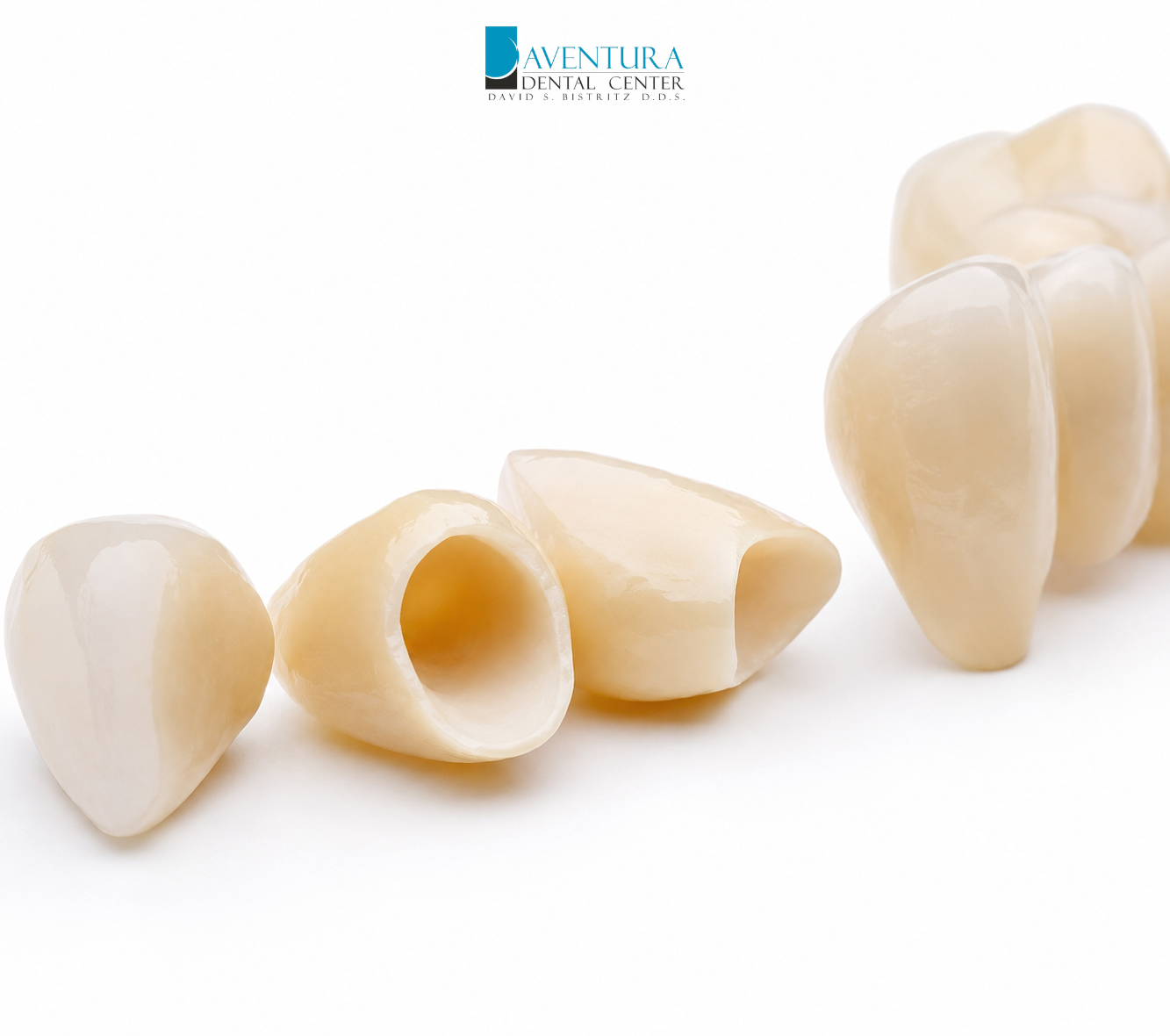
A crown is like a custom-made cap that fits over a tooth. Dentists use crowns when a tooth is too damaged for a simple filling but still strong enough to be kept. The crown reinforces the tooth, helping it handle normal biting and chewing. This makes crowns important in both functional and cosmetic dentistry.
Crowns are commonly recommended after root canal therapy, for teeth with large fractures, or when a tooth has a large cavity threatening its structure. They're also used when a tooth is worn down from grinding or needs reshaping. If you're getting root canal treatment, your dentist might suggest a crown afterward to protect the treated tooth.
It improves appearance
Besides strength, crowns can really enhance the look of a damaged tooth. They can be color-matched to your other teeth, so they blend naturally into your smile. This is especially important for front teeth or when looks matter. Often, a crown is part of a bigger cosmetic plan that includes smile makeovers or other restorative treatments.
It helps preserve your natural tooth.
One of the best things about a crown is that it helps you keep your natural tooth instead of going straight to extraction or replacement. Keeping the natural tooth root supports jaw function and helps maintain a stable bite. For many people, a crown is the difference between saving a tooth and needing more extensive treatment later. That's why crowns often fit into broader restorative plans, including full mouth reconstruction.
Common Reasons You Might Need a Dental Crown
Severe decay or a very large filling
When decay gets too bad for a filling alone, a crown is often the stronger, long-lasting solution. Large fillings can weaken a tooth over time because they leave less natural structure behind. A crown wraps around the tooth and spreads biting pressure evenly, lowering the risk of a future crack or break. In many cases, folks who start with composite fillings might eventually need a crown if the cavity gets too big.
Cracks, chips, and fractures
Teeth can crack from accidents, biting hard foods, clenching, or long-term wear. Some cracks are small, but others are deep enough to threaten the tooth’s stability. A crown can hold the tooth together and prevent the fracture from getting worse. If the damage happens suddenly, an emergency dentist might check if a crown is the next step.
After a root canal
A tooth that’s had a root canal is often more brittle. This doesn’t mean it’s weak, but it might need extra protection. A crown reduces the risk of fracture and helps the tooth function normally. For this reason, crowns are common in post-treatment restoration after endodontic care.
To support dental implants or bridgework
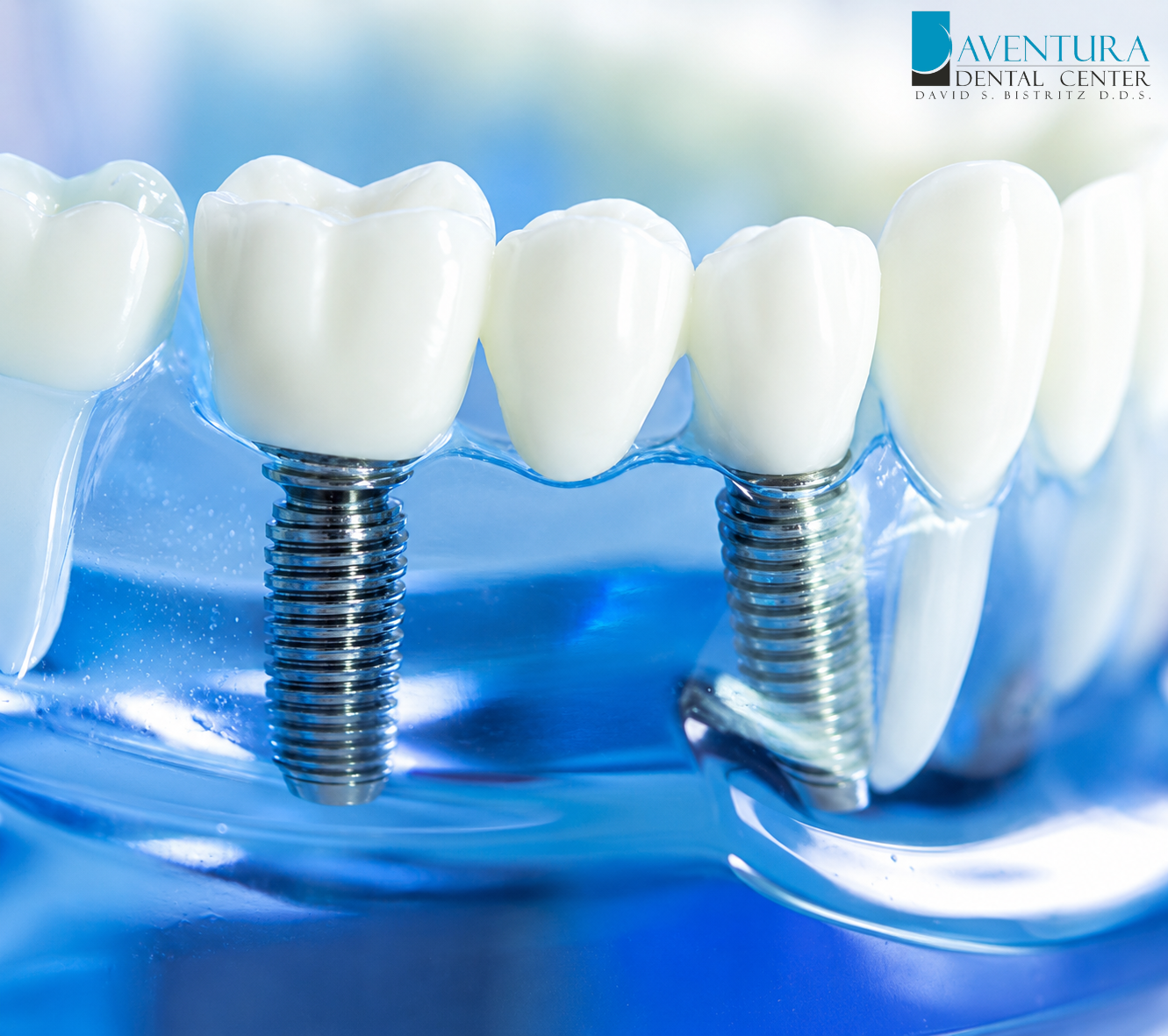
Crowns are also used in replacement dentistry. A single implant typically has a crown to recreate the visible part of the tooth. Crowns can also anchor bridges that replace missing teeth. Patients looking into dental implants or bridge treatment often find that the crown is the final piece that makes everything work and look right.
Types of Dental Crowns and How Materials Compare
Porcelain and ceramic crowns
All-ceramic and porcelain crowns are popular because they look natural and can match your other teeth closely. They're often chosen for front teeth or for folks who want great aesthetics. These crowns are especially appealing in cosmetic cases, including veneers and laminates plans where a natural look matters. Their main strength is appearance, although modern ceramics have greatly improved in durability.
Zirconia crowns
Zirconia is a hot topic in crown materials because it combines strength with a lifelike appearance. Recent innovations have made zirconia more translucent while keeping its durability. Reports from material trend sources show how hybrid ceramics and advanced zirconia are changing what dentists can offer. For many back teeth, zirconia provides a great balance of strength and aesthetics.
Porcelain-fused-to-metal crowns
Porcelain-fused-to-metal, or PFM, crowns mix a metal base with a porcelain top. They have a long history and are useful when strength is important. Some prefer newer all-ceramic options for looks, but PFM crowns can still be a practical choice depending on bite forces, tooth location, and the restoration plan. Dentists often compare PFM and zirconia benefits based on the tooth’s location and your goals.
Gold and other metal crowns
Metal crowns, including gold alloys, are known for their durability. They're less common in visible areas because of their color, but can be excellent for molars where strength matters most. Some still like metal crowns because they wear well and are less likely to chip. The right material depends on function, visibility, cost, and how much tooth structure is left.
How Modern Technology Has Changed Crown Treatment
Digital impressions and CAD/CAM
One big change in crown dentistry is moving from traditional impressions to digital scanning. Digital impressions are more comfortable and can be more precise. CAD/CAM systems now let dentists design and mill crowns quickly and accurately. Research shows that most dentists now use digital impressions, and many use chairside systems that complete crowns much faster.
This tech is great for folks who want fewer visits and less time in temporary crowns. In some places, the crown can be designed, milled, and placed the same day. That same-day option is great for busy people who don’t want repeated appointments. It also reduces the chance that a temporary crown might come loose.
Better planning and more precise prep
Modern crown prep is more specific than before. Dentists consider material type, digital scanning needs, lab spacing, and bite dynamics before prepping the tooth. Expert reviews in Dental Economics note that prep must be material-specific to reduce the risk of problems. This means the tooth is prepped not just for any crown, but for the right crown.
Same-day crown case example
Imagine a patient breaks a molar while eating something hard. In the past, that meant multiple visits, messy impressions, and a temporary crown. Today, a digital scan captures the tooth, a crown is designed on screen, and it’s milled chairside in one appointment. For those who value convenience, this is a major plus, especially when paired with other services like dental cleanings and exams to prevent future problems.
What the Crown Procedure Is Like
Step 1: Exam and treatment planning
It usually starts with an exam, X-rays if needed, and a chat about your symptoms and goals. Your dentist will see if the tooth can be saved, if the nerve is okay, and what material is best. This planning might also include a discussion of routine dental checkups, since many crown-needing problems are easier to manage when found early. A careful plan helps ensure the crown lasts as long as possible.
Step 2: Tooth preparation
Before the crown goes on, the tooth gets shaped so the crown fits right. If there’s decay or old filling material, the dentist removes that first. Then the tooth is reduced just enough to make room for the crown. Local anesthesia is common, so it’s usually comfortable. Patients worried about discomfort often find crown placement straightforward and manageable.
Step 3: Temporary crown or same-day final crown
Depending on the tech used, you might leave with a temporary crown or get the final crown the same day. Temporary crowns protect the tooth while the permanent one is made in a lab. Same-day crowns skip that waiting period. The best option depends on the situation, the material chosen, and the dentist’s equipment.
Step 4: Final cementation and bite adjustment
When the final crown is ready, your dentist checks the fit, color, contacts, and bite. Small adjustments may make sure the crown feels natural when you chew and close your mouth. After the crown is cemented, it should feel like part of your tooth. Patients are usually encouraged to report any high spots or sensitivity quickly for adjustments before they grow into bigger problems.
How Long Dental Crowns Last
Average lifespan and what affects it
Most dental crowns last between 5 and 15 years, but many last longer with great care. A large study tracking metal-ceramic crowns over time found about 96% survival at five years and about 79% at twenty years. That kind of longevity shows why crowns are such a valuable long-term investment in oral health. The final lifespan depends on the material, bite strength, oral hygiene, and habits like grinding or chewing ice.
Daily care matters
Good home care can make a big difference. Brush twice daily with fluoride toothpaste, floss around the crown carefully, and keep up with regular professional cleanings. Dental cleanings and exams are crucial because crowns still need gum health and monitoring around the edges. Even though the crown itself can’t decay, the tooth underneath can still develop problems if plaque builds up around the margins.
Protecting the crown from wear
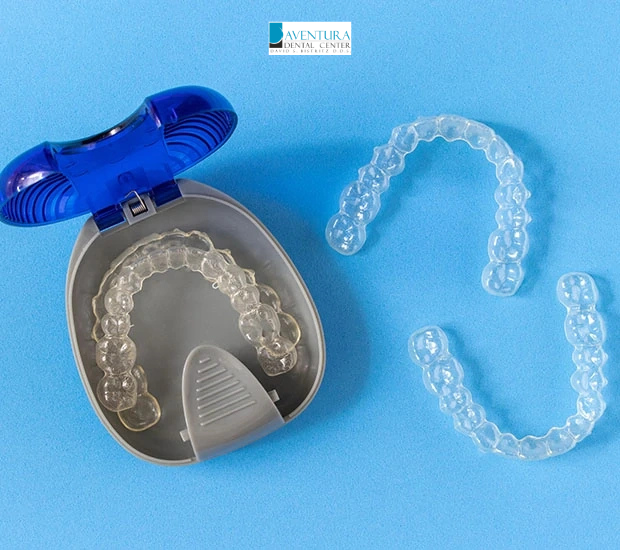
If you grind your teeth at night, your dentist might recommend a nightguard to protect the crown and the rest of your smile. Avoid using teeth as tools, like opening packages or tearing hard objects. Extremely sticky or hard foods can also stress the restoration over time. Small lifestyle changes often make the difference between a crown that lasts a few years and one that lasts well beyond the average range.
Cost, Value, and Why Crowns Are Worth Considering
What affects the price
The cost of a crown varies based on material, the case's complexity, the tooth's location, and whether extra treatment is needed first. In the current market, costs can range from under a thousand dollars to several thousand dollars per tooth. A complex case with root canal therapy, buildup, or replacing an old crown can cost more than a straightforward restoration. Insurance can help, but benefits vary widely.
Why the cheapest option is not always the best
It’s understandable to compare prices, but crown treatment should be judged on long-term value, not just initial cost. A well-made crown can prevent extraction, reduce pain, and help you avoid future treatment expenses. Choosing the right material and provider often leads to better value over time. For people in larger treatment plans, crowns may also be an essential part of full mouth reconstruction or implant-based care.
Payment flexibility and planning ahead
Many dental practices offer financing or flexible payment options so you can move forward with treatment before a problem gets worse. This matters because delaying a needed crown can allow cracks or decay to spread. If cost is a concern, ask your dental team about staging treatment, prioritizing urgent teeth first, or coordinating care with preventive services. That conversation can make treatment more manageable without sacrificing quality.
Frequently Asked Questions About Dental Crowns
Does getting a crown hurt?
Most people say the procedure isn’t painful because the tooth is numbed during treatment. Some mild soreness or sensitivity can happen afterward, especially if the tooth was already inflamed or recently treated. This usually gets better in a few days. If discomfort lingers or the bite feels uneven, a quick follow-up visit can solve the issue.
What if I only have a small chip?
Small chips might sometimes be repaired with bonding instead of a crown. However, if the tooth is weakened, cracked, or has significant wear, a crown might be the more stable long-term solution. Dentists often compare options such as dental bonding, composite repairs, and crowns before recommending treatment. The goal is always to preserve as much healthy tooth structure as possible while restoring strength.
Can a crown be replaced?
Yes. Crowns can be replaced if they wear down, loosen, fracture, or develop issues at the margin. Older crowns might also be updated for aesthetic reasons or because the tooth underneath needs more protection. If you already have a crown that feels different or looks worn, it’s wise to have it checked during your next exam.
Are crowns the same as veneers?
No. Veneers cover only the front surface of teeth, while crowns cover the entire tooth. Veneers are usually used for cosmetic improvements on healthy front teeth, while crowns are used when a tooth needs structural support. Patients often ask about both because each can be part of a broader smile plan, but they solve different problems.
When to Call Your Dentist
Warning signs you should not ignore
If you have pain when chewing, a visible crack, a tooth that feels weak, or a filling that keeps breaking, it might be time to discuss a crown. Sensitivity to hot, cold, or pressure can also suggest a tooth is compromised. Waiting too long can turn a crown candidate into an extraction candidate. That’s why early evaluation matters so much.
How crowns fit into preventive care
Crowns are restorative, but they work best when paired with prevention. Routine visits, cleanings, exams, and good home care reduce the chance that you’ll need more major treatment later. The American Dental Association also emphasizes that crowns are part of a broader approach to protecting function and oral health, not a substitute for prevention. In other words, a crown can save a tooth, but prevention helps you avoid needing one in the first place.
Local care and next steps
If you think you may need a crown, it’s a good idea to schedule a consultation before the damage gets worse. A personalized evaluation can determine whether you need a crown, a filling, a root canal, or another option. For patients comparing restorative and cosmetic solutions, treatments like dental implants and smile makeover planning may also be discussed as part of a bigger oral health strategy.
Conclusion: A Crown Can Protect More Than Just a Tooth
A dental crown is more than a cosmetic cover. It’s a durable, custom solution that can restore function, protect a weakened tooth, and help you keep your natural smile for years to come. Thanks to better materials, digital technology, and more precise preparation methods, crowns today are more natural-looking and efficient than ever before. Whether you need one after decay, a fracture, or a root canal, the right crown can make a lasting difference in your oral health.
If you’ve been told a crown may be needed, or if you are noticing signs like sensitivity, cracks, or repeated dental repairs, don’t wait. Early treatment often means simpler care and better long-term results. To learn whether a crown is right for you, contact Aventura Dental Center and ask about restorative options that fit your needs, budget, and smile goals.
For more information or to plan your visit, explore our restorative services, ask questions during your checkup, and take the next step toward a stronger, healthier smile today.