What Are Dental Fillings and When Do You Need Them?
Dental fillings are super common in dentistry, but a lot of people put off getting them. Fillings fix teeth damaged by decay, tiny fractures, or just daily wear and tear, helping to bring back your tooth’s strength and appearance. If you’ve been feeling sensitivity, pain when you chew, or noticed a chip or hole, a filling might be just what you need to stop a small problem from turning into a big one. If you’re thinking about your options, services like composite fillings can give you a natural look that blends with your smile.
Fillings have come a long way. Today’s materials look better, last longer, and fit better in different parts of your mouth. The market for dental fillings is growing fast, with predictions that it could hit USD 13.84 billion by 2032 as new materials and digital tech change the game. According to the CDC, untreated decay is still a big deal, so catching issues early really matters. CDC oral health resources. Let’s break down what fillings are, how dentists decide if you need one, the materials available, and what to expect before and after you get one.
What Dental Fillings Actually Do
Restoring tooth structure and function
Fillings replace the part of a tooth lost to decay, wear, or small breaks. After removing the damaged bit, your dentist puts a filling material in the space so your tooth can work like normal again. Even small cavities can weaken a tooth, making it more likely to crack or get infected deeper down the line.
Fillings aren’t just about looks. They help balance your bite, reduce sensitivity, and keep your tooth structure healthy. Treating decay early usually means a simpler fix, which is why regular dental checkups and cleanings are key.
Why cavities need prompt care
Bacteria in your mouth feed on sugars and starches, creating acids that slowly wear down enamel. If you don’t treat it, the enamel breaks down, and a cavity forms. If it gets worse, decay can reach deeper into the tooth, hitting the dentin and eventually the pulp, where nerves and blood vessels are. At that point, a filling might not do the trick, and you could need root canal treatment instead.
Acting quickly saves both time and money. Filling a small cavity is way easier than dealing with a crown, root canal, or extraction. For those with more damage, crowns and bridges might be the way to go, but catching problems early is best.
Signs You May Need a Dental Filling
Sensitivity and discomfort
Tooth sensitivity is one of the first and most common signs. You might feel a quick sting from something cold, a sharp reaction to sweets, or pain when you bite down. While sensitivity doesn’t always mean you have a cavity, it’s a good reason to book an exam. The National Institute of Dental and Craniofacial Research says oral conditions often progress without obvious symptoms early on, which is why getting checked by a pro is so valuable, according to tooth decay information.
Some people also feel a dull ache or pressure in a tooth, or they notice food getting stuck in one area. These signs could point to a cavity, a worn edge, or a small crack that needs fixing before it gets worse.
Visible changes in the tooth
Sometimes it’s easier to see the signs than feel them. A visible hole, dark spot, rough edge, or chipped corner can all mean a tooth needs repair. Even if the damage seems small, it’s smart not to ignore it. Small problems can grow as you chew, grind, or eat acidic foods and drinks.
If you break a tooth suddenly, you might need an emergency visit. In those cases, an emergency dentist can decide if the tooth can be fixed with a filling, bonding, a crown, or something else. For small chips on front teeth, dental bonding might be a good option, especially if looks are important.
Types of Dental Filling Materials
Composite resin fillings
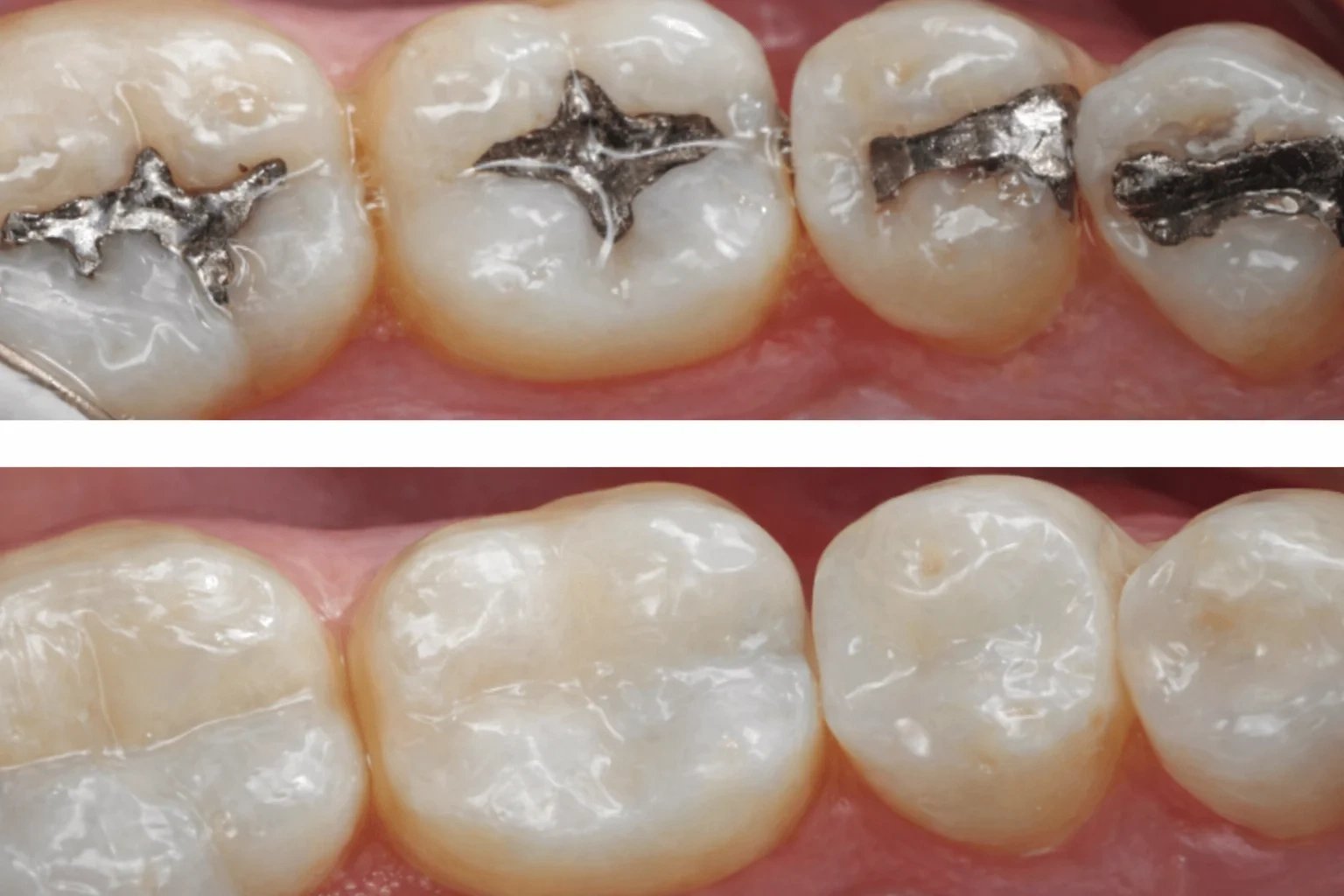
Composite fillings are super popular because they match the natural color of your teeth. Made from a mix of plastic resin and fine glass particles, dentists can shape them to create a seamless look. These fillings are great for visible teeth and medium-sized cavities.
Composite materials have gotten way better recently. They hold polish better, resist wear, and bond to enamel and dentin more predictably. If you care about aesthetics, composite is often the top pick. It’s also a good fit when you need a conservative restoration to keep healthy tooth structure intact.
Amalgam, gold, porcelain, and newer materials
Traditional amalgam fillings, made from a mix of metals, are known for durability. Some places are phasing them out in favor of more eco-friendly options. The Indian Health Service, for example, plans to phase out mercury-containing amalgam fillings by 2027, reflecting a shift toward safer materials. Associated Press report on amalgam phase-out.
Gold fillings are durable but less common today because of cost and appearance. Porcelain and advanced ceramic materials are often used when looks and strength both matter, especially in larger restorations. New materials like zirconia and hybrid ceramics are changing how restorations are done, offering strong performance with a natural look.
How Dentists Decide Which Filling You Need
Location and size of the cavity
The best filling material depends on where the cavity is and how much tooth is gone. Back teeth take a lot of chewing pressure, so strength is key. Front teeth are more visible, so looks might be the priority. Larger cavities may need a more durable approach, while small ones can usually be fixed with a composite restoration.
Your dentist will also see if the restoration needs to handle grinding forces, temperature changes, or wear. If a tooth has enough structure left, a direct filling might work. If not, a larger restoration or crown might be needed.
Aesthetic goals and personal preferences
Many people like tooth-colored fillings because they blend in. This is important for front teeth or areas that show when you smile. Others might care more about how long it lasts, cost, or finishing in one visit. A good dentist will go over the pros and cons and tailor the choice to your needs.
If you’re thinking about improving your smile overall, fillings can be part of a bigger plan. Treatments like smile makeovers, veneers, and laminates, or teeth whitening, might come later, but having a healthy, stable mouth is the starting point.
What to Expect During the Filling Procedure
Step-by-step treatment process
Getting a filling is usually straightforward. First, the dentist checks the tooth and might take X-rays to see how deep the decay goes. They use local anesthesia to keep the area comfy. After numbing the tooth, the decayed part is removed, the area is cleaned, and the filling material is placed and shaped. Finally, your dentist tweaks your bite so it feels natural when you close your mouth.
For composite fillings, the material is placed in layers and hardened with a special light, creating a strong bond and precise shape. The whole visit often takes less than an hour for one tooth, though more complex cases can take longer.
Is the procedure painful?
Most people are pleasantly surprised by how comfy the process is. Anesthesia stops pain during treatment, and you usually feel pressure rather than discomfort. Some mild sensitivity afterward is normal, especially to cold or pressure, but it usually fades in a few days.
If you’re anxious about dental visits, let your dental team know. Modern dentistry has lots of comfort-focused options, and talking openly helps ease the appointment. If you’re still nervous, discussing treatment timing, material options, and follow-up care ahead of time can help.
How Long Do Fillings Last and What Affects Their Lifespan
Material quality and tooth location
How long a filling lasts depends on the material, the size of the filling, and the tooth’s location in your mouth. Composite fillings often last 5 to 10 years, while amalgam ones can last 10 to 15 years or more. Porcelain and gold might last even longer if cared for well. It’s not just about the material, but also how well it fits, how much force it takes, and how the surrounding tooth changes over time.
Back teeth usually face more stress than front ones, so posterior fillings might wear faster, especially if you grind your teeth or have a strong bite. Good oral hygiene and regular dental visits can extend the life of any filling.
Daily habits and maintenance
Your habits play a big role in how long fillings last. Brush twice daily with fluoride toothpaste, floss daily, limit sugary snacks, and avoid chewing ice to reduce wear and decay. If you grind your teeth at night, your dentist might suggest a nightguard to protect both natural teeth and fillings.
Routine care is one of the best ways to keep fillings in good shape. Preventive strategies, like professional cleanings and exams, help catch edge breakdown or tiny leaks early. If you’re seeing early wear, a visit for dental cleaning and exams can catch trouble early.
Why Early Detection Matters More Than Ever
Preventing bigger and more expensive treatments
Cavities don’t get better on their own. When decay is caught early, it can usually be treated with a simple filling. Ignored, treatment might escalate to root canal therapy, crowns, or even extraction. Early intervention protects not only the tooth but also the surrounding teeth, bite alignment, and long-term oral health.
That’s why dental pros emphasize regular exams. The earlier a problem is spotted, the more treatment options you have. A small filling can often keep the natural tooth going for many more years, which is always the best outcome.
A look at current industry trends
The fillings market is changing fast because patients want restorations that are stronger, more natural-looking, and more comfortable to receive. Digital workflows, cloud-based practice management, and chairside CAD/CAM systems are helping dentists design and place restorations faster than before. Industry reports also point to growing demand for patient-centered care and materials that fit modern cosmetic expectations.
These changes aren’t just technical. They reflect a larger movement in dentistry toward preserving natural teeth whenever possible and using minimally invasive techniques when restorative work is needed. For a closer look at current digital trends in dentistry, the American Dental Association offers educational resources about technology and care standards. In practical terms, that means better precision, better aesthetics, and better experiences for patients.
When a Filling Is Not Enough
Deeper decay or structural damage
Sometimes a tooth is too damaged for a simple filling. If the cavity is very large or the tooth has lost significant structure, a crown may be needed to reinforce it. If infection has reached the pulp, root canal treatment may be necessary before the tooth can be restored. And if the tooth cannot be saved, extraction followed by replacement options may be discussed.
These decisions are based on preserving health, comfort, and function. A filling is ideal when enough healthy tooth remains to support it. When that is not the case, your dentist will explain the next-best option and how it protects the tooth or surrounding structures.
Integrated care for more complex needs
Sometimes fillings are part of a bigger oral health plan. Patients with widespread wear, broken teeth, or multiple failing restorations may need a more comprehensive approach. In those cases, options such as full mouth reconstruction or tooth extraction may be considered alongside fillings and other restorative treatments. If multiple missing teeth are involved, solutions like dental implants, dentures, and partial dentures may also be discussed.
The goal is always the same: restore comfort, function, and confidence as conservatively and predictably as possible. A good treatment plan balances urgency, long-term outcomes, and personal goals.
Frequently Asked Questions About Dental Fillings
What are dental fillings made of?
Fillings can be made from composite resin, amalgam, gold, or porcelain. Modern dentistry often favors tooth-colored composite for visible areas because it blends naturally with the smile. Material choice depends on the size and location of the cavity, your aesthetic goals, and how much force the tooth must handle.
How do I know if I need a filling?
Common warning signs include tooth sensitivity, pain when chewing, dark spots, visible holes, cracks, or food getting stuck in one area. Some cavities cause no symptoms at all, which is why routine exams are so important. A professional evaluation is the only reliable way to know whether a filling is needed.
Can I eat right after getting a filling?
Usually, yes, but you should wait until the numbness wears off so you do not accidentally bite your cheek or tongue. Composite fillings are typically ready for use sooner than amalgam fillings. Your dentist will give you specific instructions based on the material used and the size of the restoration.
Are fillings safe and durable?
Yes. Fillings are a well-established, widely used dental treatment with a long track record of safety and effectiveness. While no restoration lasts forever, good home care and routine dental visits can keep them functional for many years. If a filling begins to fail, it can often be replaced before bigger problems develop.
Protecting Your Smile After a Filling
Good habits after treatment
After your filling, continue brushing twice a day and flossing daily. Avoid chewing very hard foods on the treated side if the area feels tender for a day or two. If you notice a high bite, lingering discomfort, or sharp sensitivity that does not improve, contact your dentist for an adjustment. Small follow-up changes can make a big difference in comfort.
It also helps to stay consistent with professional care. Follow-up cleanings and exams allow your dentist to monitor the restoration and check for early signs of wear. If you want a fuller cosmetic refresh after restorative work, treatments such as Invisalign or Invisalign vs traditional braces may be part of a plan once your teeth are healthy and stable.
When to call your dentist
Call your dental office if the filling feels loose, if the tooth becomes sensitive again after initially improving, or if you feel pain while chewing. These issues may indicate a bite adjustment is needed, or that the restoration should be checked for a leak or crack. Acting early helps preserve the tooth and prevents further damage.
If you need personalized care, Aventura Dental Center provides comprehensive restorative and preventive dentistry for patients who want long-lasting solutions and clear guidance. Whether you need a new filling, a second opinion, or a broader treatment plan, the right next step starts with an exam and a conversation.
Conclusion: Know the Signs and Act Early
Dental fillings are a simple but powerful way to restore teeth affected by decay, minor fractures, or wear. They protect your tooth structure, improve comfort, and help you keep your natural smile for longer. The best time to treat a cavity is before it grows, so if you notice sensitivity, visible damage, or discomfort when chewing, do not wait for the problem to get worse.
Modern restorative care offers more choices than ever, from durable back-tooth fillings to highly aesthetic tooth-colored materials. Combined with regular checkups, good hygiene, and timely treatment, fillings can be an important part of a long-term oral health strategy. If you are ready to protect your smile, schedule an evaluation, ask questions about your options, and take the first step toward healthier teeth today.
Need help deciding whether you need a filling? Contact Aventura Dental Center to schedule an exam and get a personalized treatment recommendation that fits your needs, goals, and comfort level.