
Senior Dental Care in Aventura, FL: What to Expect
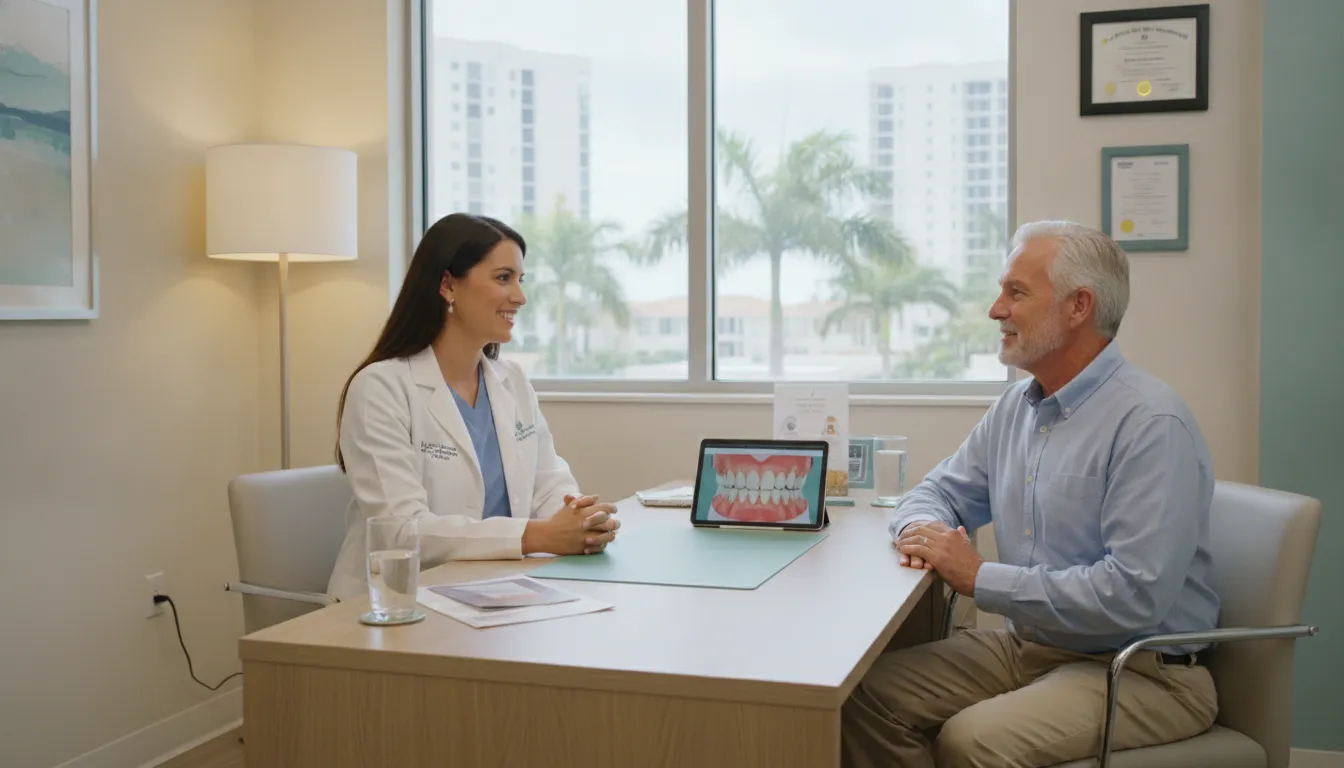
A new toothache, a denture that rubs, or gums that bleed can raise questions about what to do next. Even changes that seem minor are worth mentioning to your dentist, especially if they affect eating, speaking, or daily comfort. Senior dental care in Aventura, FL can include preventive checkups, gum care, restorative treatment, and guidance for urgent concerns. The right care depends on your oral health, medical history, medications, and personal priorities. In this article, learn which services may be available, how to prepare for a dental visit, and what to ask about treatment options and costs. You deserve clear answers before deciding what comes next.
Key Takeaways
- Stay alert to oral health changes: Keep up with recommended checkups, and contact your dentist about bleeding gums, dry mouth, tooth pain, or trouble chewing.
- Prepare before choosing care: Bring your medication list and questions, then ask about treatment options, comfort, accessibility, and next steps.
- Plan for dental costs: Check your insurance benefits, request an itemized estimate, and ask whether recommended treatment can be scheduled in stages.
What Senior Dental Services Are Available in Aventura, FL?
Senior dental care can include routine prevention, treatment for damaged or missing teeth, and help with urgent concerns. The right plan depends on your oral health, medical history, medications, and goals. A dentist can explain which services may help and how to prioritize them.
Get Preventive Exams, Cleanings, and Gum Care
Regular exams and professional cleanings help your dentist check for cavities, gum problems, changes in your bite, and issues with existing dental work. Your dentist may recommend gum treatment if you have bleeding, tenderness, or receding gums. These visits also give you a chance to discuss concerns before they interfere with eating or everyday comfort.
At home, brush twice daily with fluoride toothpaste and clean between your teeth each day. If arthritis or limited mobility makes brushing or flossing difficult, ask your dental team about tools that may be easier to handle. The American Dental Association’s guidance for older adults offers additional tips for maintaining oral health.
Explore Crowns, Bridges, Dentures, and Implants
A crown can cover and protect a weakened or damaged tooth. A bridge may replace one or more missing teeth, while dentures and implants are other options for replacing missing teeth. Each treatment has different benefits, care needs, and costs. Your dentist can assess your teeth and gums, then explain which approaches may suit your needs.
Aventura Dental Center provides restorative dental services, including crowns, bridges, and dental implants. During a consultation, ask how each option may affect chewing and speaking, what maintenance it requires, and whether treatment can be planned in stages. If you are considering dentures, ask which options the practice offers and whether an evaluation or referral is appropriate.
Learn About All-on-4 Implants and Emergency Care
All-on-4 is an implant-supported option that may replace a full arch of teeth. It is not suitable for everyone, so a dentist will need to assess your oral health, bone support, medical history, and goals. Ask about the treatment steps, healing period, upkeep, and alternatives before deciding whether to proceed.
For severe tooth pain, swelling, a broken tooth, or bleeding that does not stop, contact a dental office promptly for guidance. Trouble breathing or swallowing requires emergency medical attention. Aventura Dental Center lists emergency dental care among its services. When you call, describe your symptoms and when they began so the team can advise you on what to do next.
Find Comprehensive Care at Aventura Dental Center
When you have several concerns, discussing them with a practice that provides different types of care can make it easier to understand your options. Aventura Dental Center offers general, restorative, cosmetic, and emergency dental services. Dr. David S. Bistritz has served the Aventura community since 1989, bringing long-standing local experience to patient care.
Before your visit, write down your concerns, medications, and questions. Let the team know what matters most to you, such as easing discomfort, replacing missing teeth, or maintaining your current smile. Ask for clear explanations of recommended care, costs, and next steps. You can learn more about the practice and its approach on the Aventura Dental Center website.
What Dental Changes Should Seniors Watch For?
Oral health can change gradually with age, and a new problem may not hurt right away. Pay attention to bleeding gums, sensitivity, dry mouth, sore spots, difficulty chewing, or changes in how your teeth fit together. These signs don’t always point to a serious issue, but they’re worth mentioning to your dentist.
At Aventura Dental Center, sharing what you’ve noticed helps Dr. David S. Bistritz understand your concerns and discuss care that suits your needs. If a change is sudden, painful, or getting worse, contact your dental office rather than waiting for your next routine visit.
Watch for Gum Disease, Receding Gums, Cavities, and Root Decay
Gums that bleed when you brush, look swollen, or feel tender may need attention. Persistent bad breath can also be a sign of a gum problem. As gums recede, they can expose the roots of your teeth. Unlike the crowns of teeth, roots don’t have a hard enamel covering, which can leave them more vulnerable to decay and sensitivity.
Cavities don’t always cause pain in their early stages, so don’t rely on discomfort as your only warning. Mention any new sensitivity or changes you see in your mouth, and keep up with dental exams so your dentist can check for concerns. The senior dental care guide from Visiting Angels also highlights the added risk of decay when roots are exposed.
Ask About Dry Mouth and Medication Effects
A dry or sticky mouth can make speaking, swallowing, and eating less comfortable. Saliva helps clear food from the mouth and protects teeth, so having less of it can increase the risk of decay. Some prescription and over-the-counter medications may contribute to dry mouth. Tell your dentist if you’ve noticed a change, even if it seems mild.
Bring a current list of your medications and supplements to your appointment. Your dentist can discuss ways to manage dry mouth and whether a medication may be a factor. Don’t stop or change a prescribed medicine without first talking with the clinician who prescribed it. The American Dental Association explains more about dry mouth and oral health.
Monitor Tooth Loss, Denture Fit, and Bite Changes
Let your dentist know if you lose a tooth, have trouble chewing, or notice that your teeth come together differently when you bite. These changes can affect comfort and eating, and they may mean a tooth or existing dental work needs attention.
Dentures that slip, rub, or leave sore spots may need an adjustment. Avoid trimming or reshaping them yourself, since that can make the fit worse. Your dentist can check how they fit and talk through options based on your oral health and overall needs. Aventura Dental Center offers services including crowns, bridges, dentures, and dental implants, which may be discussed as part of a personalized treatment plan.
Maintain Home Care and Set Checkup Timing
Brush twice a day with fluoride toothpaste and clean between your teeth daily with floss or another tool that works for you. If arthritis or limited hand movement makes brushing difficult, ask your dentist about an electric toothbrush, a larger handle, or other tools that may be easier to use. Small changes to your routine can make daily care more manageable.
Many people have dental checkups about twice a year, though your dentist may recommend a different schedule based on your oral health and risk factors. At your visit, ask whether you need a cleaning, an oral cancer screening, or follow-up for a specific concern. Regular exams help your dentist track changes and recommend care when it’s needed. If a new symptom appears between appointments, call the office instead of waiting for your next checkup.
What Should Seniors Expect at a First Dental Visit?
Your first dental visit is a chance to review your oral health, share concerns, and understand what care may help. The dentist will ask about your health and dental history, examine your mouth, and may recommend X-rays if they can provide useful information. You can ask questions at each step and request an explanation of anything that feels unclear.
If the exam identifies a concern, the dental team can explain possible treatments, timing, and costs before you decide how to proceed. Aventura Dental Center provides general and restorative dental services, including care for teeth, gums, and tooth loss. Bringing a medication list and any questions you have can help you make the most of your appointment.
Review Medical History, Medications, and Concerns
The dental team will ask about your medical conditions, past dental work, and medications. Bring a current list of prescription drugs, over-the-counter medicines, and supplements. Some medications can affect your mouth, so mention symptoms such as dry mouth, changes in taste, or difficulty swallowing. The National Institute of Dental and Craniofacial Research explains how dry mouth can affect oral health.
Share any concerns, even if they seem small. Tell the dentist about tooth pain, bleeding gums, sensitivity, loose teeth, or trouble chewing. If you wear dentures, describe any rubbing or changes in fit. Mention allergies and past reactions to medicines or dental treatment, too. These details help the dentist consider your health and comfort when discussing care.
Get an Exam, X-Rays When Needed, and an Oral Cancer Screening
The dentist will examine your teeth, gums, and mouth for issues such as cavities, gum inflammation, worn dental work, or changes that may affect eating and speaking. If you have dentures, bridges, or implants, mention any soreness or movement so the dentist can check how they fit and function.
X-rays may be suggested if they can help assess areas that are difficult to see during the exam. The dentist can explain why they are recommended before they are taken. Your visit may also include a visual oral cancer screening, which looks for unusual changes in the mouth. The National Cancer Institute’s information on oral cavity cancer explains why changes in the mouth deserve attention. Ask what any finding means and whether follow-up is needed.
Discuss Treatment Options, Costs, and Next Steps
After the exam, the dentist can explain what they found and whether treatment is recommended. Depending on your needs, options may include preventive care, treatment for gum disease, a crown, bridge, dentures, or dental implants. Ask what each option involves, what benefits and limitations to consider, and whether care is urgent or can be scheduled over time.
Before making a decision, ask for an estimate and check whether your dental insurance may cover any of the proposed care. If you prefer, discuss planning treatment across several visits to fit your schedule, health needs, or budget. You can also ask for written recommendations to review at home. Aventura Dental Center outlines its available dental treatments, while your dentist can explain which options fit your exam and goals.
Bring Key Information and Ask a Caregiver for Help
Bring a photo ID, insurance information, and a list of your medications and supplements. If you have recent dental records or X-rays, ask the previous office to send them ahead of time. Writing down your questions and noting when symptoms began can also help you cover the topics that matter most during the appointment.
You’re welcome to ask a caregiver or family member to come along if you’d like support. They can help take notes, remember instructions, or discuss practical needs, such as transportation and mobility. Let the dental office know in advance if you need help with communication, hearing, or access. You can check Aventura Dental Center’s location information when planning your visit.
How Can Seniors Choose Comfortable Dental Care in Aventura?
Choosing a dentist is about more than finding an office nearby. Seniors may want a practice that offers the services they need, explains care in plain language, and takes their comfort and health history seriously. Before booking, consider what matters most to you: a dentist’s experience, convenient access, help understanding treatment choices, or the ability to address several dental needs in one practice.
It can help to call the office before scheduling and ask what to expect at a first visit, which services are available, and whether a caregiver can join you. If you have concerns about dental anxiety, mobility, or a medical condition, mention them when you call. The team can explain how it handles those needs and what information to bring.
Aventura Dental Center has served the local community for decades and provides a range of general and restorative care. As you compare practices, use the questions below to decide whether a provider’s experience, services, and approach feel right for you.
Look for Experience, Clear Explanations, and Needed Services
Choose a dentist who listens to your concerns and explains what an exam or treatment may involve. You should have time to ask questions and understand the options before making a decision. When comparing practices, ask whether they provide the services you may need, such as preventive exams, gum care, crowns, bridges, dentures, or dental implants. A practice with a range of services can make it easier to discuss different needs with one team. Aventura Dental Center offers general and restorative dental services. Contact the office to ask which services may be appropriate for you; your dentist can recommend care after reviewing your oral health.
Consider Reviews, Location, and Accessibility
Patient reviews can give you a sense of how a dental team communicates and treats patients, though each person’s experience is different. Look for comments about staff courtesy, clear explanations, and how the practice responds to questions. Then check practical details, including travel time, parking, and the route from the entrance to the treatment area. If you use a cane, walker, or wheelchair, call ahead to ask about access and any arrangements that may make your visit easier. You can review Aventura Dental Center’s location information and contact the office with questions before scheduling. If a caregiver will accompany you, ask whether they can join you during the visit.
Share Comfort Concerns and Health Updates
Tell the dental team what helps you feel comfortable. You might prefer that the dentist explain each step, pause when you need a break, or discuss sensitivity before treatment begins. Also share relevant health updates, including new diagnoses, allergies, recent procedures, and changes to your medications. Some medications can affect your mouth or influence dental treatment, so bring an up-to-date medication list if you can. If a caregiver helps manage your health information or appointments, ask whether they can join the conversation. Sharing these details gives the team a clearer picture of your needs and helps you discuss care options with the dentist.
Learn About Dr. David S. Bistritz’s Longstanding Aventura Practice
A dentist’s experience and connection to the community may matter when you’re choosing a practice for ongoing care. Dr. David S. Bistritz has served the Aventura community since 1989. Aventura Dental Center describes its approach as focused on patient comfort, gentle care, and clear explanations of treatment options. When you contact the practice, ask who will provide your care, what happens during a first appointment, and how the team discusses treatment choices. These questions can help you understand what to expect and whether the practice suits your preferences. Read more about Dr. Bistritz and the practice before deciding whether to schedule a visit.
How Can Seniors Find Affordable Dental Care in Aventura?
Dental costs can be difficult to plan for, especially when a treatment plan includes several services. Before scheduling care, check your insurance benefits, ask for an estimate, and talk with your dentist about which treatments need attention first. These steps can help you understand your options and plan for expected costs.
Check Insurance and Medicare Coverage Limits
Original Medicare generally does not cover routine dental care, including cleanings, fillings, or dentures. Some Medicare Advantage plans offer dental benefits, but coverage, provider networks, and annual limits vary. Review your plan documents or call your insurer to confirm what is covered, whether you need preapproval, and what you may owe. The Medicare guide to dental services explains the limits of Original Medicare coverage.
If you have private dental insurance, ask your insurer to check benefits for the specific services your dentist recommends. Coverage for crowns, bridges, dentures, and implants may differ from coverage for preventive visits. Confirm deductibles, waiting periods, and any annual maximum before making treatment decisions.
Request Cost Estimates and Ask About Payment Options
Ask for an itemized estimate before agreeing to treatment. It should outline the recommended services, the estimated insurance contribution, and your expected out-of-pocket costs. If you are considering a larger procedure, ask whether there are different treatment options and how their costs and benefits compare. You can also ask whether the estimate might change if the dentist finds another concern during treatment.
Aventura Dental Center reports that it accepts cash, major credit cards, and most dental insurance plans, and offers flexible payment options. Contact the office to confirm current payment details and ask how your coverage may apply. The practice’s FAQ offers information to review before your visit. If you receive a treatment plan, take time to discuss it with the dental team and your insurer.
Set Treatment Priorities and Plan Phased Care
If your treatment plan includes several procedures, ask which issues need attention soon and which can be monitored or scheduled later. Pain, infection, or trouble chewing may need prompt evaluation. Your dentist can explain the risks of waiting and help you understand the options, so you can make decisions based on your health needs and budget.
You can also ask whether treatment can be divided into stages, what each stage is expected to cost, and what follow-up care it may involve. Phased care should follow your dentist’s clinical recommendations, rather than delaying treatment without guidance. Regular exams help your dental team monitor gum health, restorations, and changes in your bite. Review Aventura Dental Center’s available services and discuss which care may suit your needs.
Check Eligibility for Community Resources and Medicare Counseling
If dental costs are difficult to manage, ask local community health centers about services and fees for eligible patients. Care Resource Community Health Centers provides dental care and may offer a sliding fee scale based on eligibility. Review its dental services, then contact the organization to ask about eligibility, insurance, appointment availability, and costs.
For help understanding Medicare coverage or comparing plans, contact your State Health Insurance Assistance Program (SHIP). SHIP counselors offer free, unbiased Medicare guidance, but they do not provide dental treatment. You can find SHIP support and ask about assistance in Florida. Senior centers, social workers, and healthcare providers may also know of dental clinics or local programs for older adults. Confirm directly with each program that it serves your area and situation.
Frequently Asked Questions
How often should seniors have a dental checkup?\ Many people have checkups about twice a year, but the right schedule depends on gum health, decay risk, medical history, and past dental work. Ask your dentist how often you should come in, and call sooner if you notice a new or worsening concern.
What dental symptoms should seniors contact a dentist about?\ Get in touch if you have ongoing tooth pain, bleeding or swollen gums, sensitivity, dry mouth, difficulty chewing, or dentures that rub or slip. Seek emergency medical care for trouble breathing or swallowing.
Does Medicare cover dental care for seniors?\ Original Medicare generally does not cover routine dental services. Some Medicare Advantage plans include dental benefits, but coverage and limits vary, so check your plan before scheduling treatment.
What should I bring to a first dental appointment?\ Bring your medication and supplement list, insurance details, relevant medical and dental records, and any questions you want answered. Note when symptoms began and mention allergies or past reactions to dental treatment.
What options can replace missing teeth?\ Depending on your oral health and goals, a dentist may discuss bridges, dentures, or dental implants. Aventura Dental Center offers restorative services, including bridges and implants. An exam can help determine which options may be appropriate for you.