
Professional Teeth Whitening vs At-Home Whitening: Cost, Results, and Safety
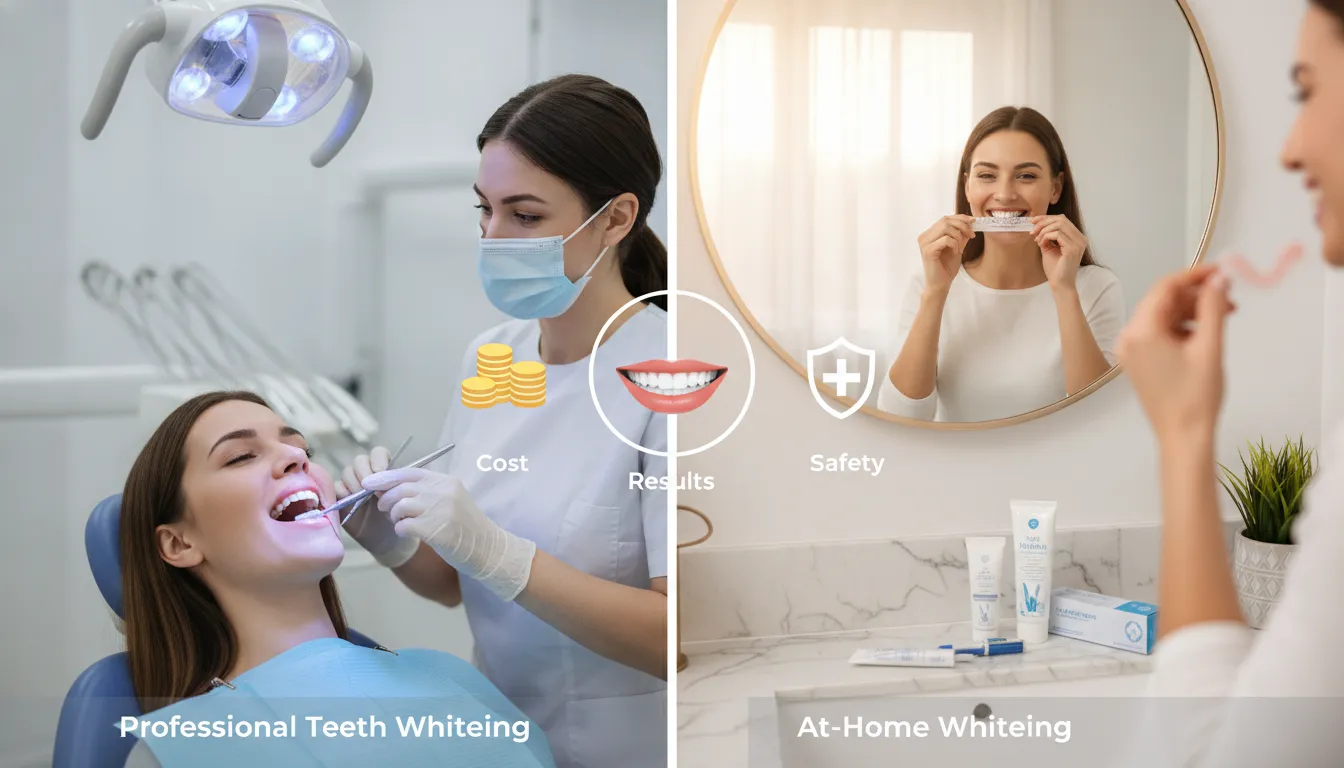
Whitening products are easy to find, but choosing one can raise plenty of questions. Will an at-home kit work as well as a dental treatment? How long might results take? Could whitening make sensitive teeth feel worse? Comparing professional teeth whitening vs at-home whitening can help you understand the differences in application, timing, supervision, and cost. In-office care gives you guidance during treatment, while store-bought strips and gels require careful use at home. Dentist-provided trays offer another option, with instructions tailored to your teeth. This guide explains what each method can and cannot do, so you can discuss realistic expectations with a dentist and make a more informed choice.
Key Takeaways
- Match the method to your needs: In-office whitening may suit a faster timeline, while at-home products offer a gradual option.
- Ask a dentist before you start: Sensitivity, gum concerns, cavities, and dental work can affect whether whitening is suitable and what results to expect.
- Compare the full cost and care plan: Ask about treatment time, possible sensitivity, follow-up visits, and touch-ups, and use products only as directed.
Professional vs. At-Home Teeth Whitening: What’s the Difference?
Professional and at-home whitening both use bleaching ingredients to lighten natural teeth, but the application, treatment schedule, and level of dental supervision differ. In-office whitening is performed by a dental team. At home, you can use store-bought strips or gels, or follow a dentist’s instructions with custom trays.
The right approach depends on your oral health, the cause of discoloration, and how quickly you want to see a change. A dental exam can help determine whether whitening is suitable and what results may be realistic. Aventura Dental Center provides cosmetic dental services and can help patients discuss options that fit their needs.
In-office treatment: what to expect
Before treatment, a dental professional examines your teeth and gums and discusses your goals. The team then protects your gums and other soft tissues before applying whitening gel. Some systems use a light as part of the process, though the steps vary by product and provider.
An in-office appointment often takes about an hour. You may see a change after one visit, but results vary depending on your teeth and the type of staining. Your dental team can monitor your comfort during treatment and advise you if sensitivity occurs. Read Dental Associates’ overview of in-office whitening for more details on what a visit may involve.
At-home options: strips, gels, and custom trays
Whitening strips and gels sold in stores are made for home use. Each product has specific instructions for how much to apply and how long to use it. Follow those directions closely, since using more product or wearing it longer than recommended may irritate your gums or teeth.
A dentist may also offer a take-home kit with custom-fitted trays. The trays are shaped to fit your teeth and hold whitening gel in place. Your dentist will explain how much gel to use and how often to wear the trays. For more information about professional take-home kits, see this guide to custom whitening trays and other products.
Compare application, timing, convenience, and supervision
In-office whitening is applied during a dental appointment, so you don’t need to manage each step yourself. It may suit people who prefer a supervised treatment or want to complete whitening in a shorter time. At-home products offer flexibility, but they require consistent use and careful attention to the instructions. Dentist-provided trays are also used at home, with guidance tailored to your teeth.
Both approaches can be effective, but the best fit depends on factors such as sensitivity, existing dental work, and the cause of discoloration. Research has found that patients may see improvement with either method, while gradual treatment gives them the option to pause if sensitivity develops. You can review this study comparing in-office and at-home bleaching and discuss your options with a dentist.
What whitening changes—and what it doesn’t
Whitening lightens natural teeth, but it does not change the shade of crowns, veneers, fillings, or other restorations. If you have dental work that shows when you smile, whitening could make it look different from the surrounding teeth. Tell your dentist about any restorations before starting treatment so you can discuss how they may affect the final appearance.
Whitening may also be less effective for some types of discoloration. A dental exam can help identify the cause and whether another treatment may be more appropriate. If you are planning cosmetic dental work, ask about timing: restorations are made to match your tooth color and will not lighten with whitening. This guide to whitening and existing dental work explains why it can help to plan these treatments together.
Which Option Works Faster and Gives Better Results?
How quickly each option may work
In-office whitening is usually the faster option. A dentist applies professional-strength whitening gel during an appointment, and you may see a visible change the same day. The exact result depends on your natural tooth shade, the cause of discoloration, and the treatment used. At-home products, such as whitening strips or dentist-provided trays, typically work gradually over repeated applications. Follow the product instructions or your dentist’s guidance rather than applying more gel or using it more often to speed things up. If you want a brighter smile by a particular date, ask a dentist which option fits your timeline and oral health. Professional whitening treatments can change tooth color faster because they use stronger whitening solutions than many store-bought products.
How strength, consistency, and stain causes affect results
The strength of the whitening product can affect how quickly you see a change, but it doesn’t guarantee a particular result. Consistent, careful use matters, too. At-home products may take longer if you skip applications, while using them more often than directed can irritate your gums or make your teeth sensitive. The cause of discoloration also plays a role: stains from coffee or tea may respond differently from discoloration related to aging, medication, or an injury. A dentist can examine your teeth, discuss what may be causing the color change, and help you choose a suitable method. Research comparing whitening approaches reports visible color changes with both in-office and at-home treatments, though results and timing can vary.
Surface stains vs. deeper discoloration
Whitening often helps with surface stains from foods, drinks, and tobacco. These stains may respond to professional treatment or an appropriate at-home product. Discoloration within the tooth can be harder to address, and the result depends on its cause. Whitening may not be the right solution for every type of color change. Also, crowns, veneers, fillings, and other restorations do not whiten like natural teeth, so whitening can leave a noticeable difference between them and nearby teeth. If one tooth has become darker, or you’re unsure why your teeth look discolored, arrange an exam before starting treatment. A dentist can explain what may work and whether another option would better address your concern.
Why results vary and how long they last
There’s no single whitening result or timeline that applies to everyone. Your natural tooth shade, the type of stain, the product, and how you use it can all affect the outcome. Results also fade over time. Frequent coffee, tea, red wine, or tobacco use may contribute to new stains, while good oral care can help keep teeth clean. Whitening does not permanently change tooth color, so some people consider occasional touch-ups. Ask your dentist how long you might expect results to last and whether touch-ups are appropriate for you. The evidence on teeth whitening supports several professional and at-home methods when used as directed, but individual results still differ.
Maintain results with oral care, cleanings, stain-aware habits, and dentist-guided touch-ups
A few simple habits can help maintain your results. Brush twice daily with fluoride toothpaste, floss once a day, and attend regular dental cleanings. If you drink coffee, tea, or red wine, rinsing your mouth with water afterward may help reduce staining. Avoid using whitening products more often than the instructions recommend. Repeated or excessive use can lead to tooth sensitivity or gum irritation. Before scheduling a touch-up, check with a dentist, especially if you have new sensitivity, gum concerns, or dental work. Patients in Aventura and nearby communities can ask Aventura Dental Center about an exam and discuss which dental care options may suit their needs.
How Much Does Teeth Whitening Cost?
Compare in-office, store-bought, and custom-tray costs
Teeth whitening prices vary by method, provider, and what the treatment includes. Store-bought strips and kits often cost around $50, while dentist-supervised take-home kits with custom trays may cost about $438. In-office whitening commonly costs $300 or more, though published estimates vary. One professional whitening cost guide puts treatment at around $300 or higher, while another source reports a higher average.
These are general estimates, not a quote for care at Aventura Dental Center. Ask the dental team for current pricing and details about what the fee covers. You can also explore the practice’s dental services before discussing your options with a dentist.
Factor in repeat treatments and touch-ups
The first treatment is only one part of the cost. At-home products often require regular use over days or weeks, and you may need to buy more product to maintain your results. In-office whitening can show a change more quickly, but occasional touch-ups may still be useful as stains return. How often you may want them depends on your oral care habits, diet, and the cause of the discoloration.
Before choosing a method, ask how many applications or visits are typically involved and whether follow-up treatment costs extra. A dentist can assess whether your stains are likely to respond, which may help you avoid spending money on a product that isn’t suited to your needs. Comparisons of at-home and in-office whitening also highlight differences in treatment time and results.
Compare cost, speed, results, convenience, and guidance
The lowest upfront price may not be the best fit for every patient. Store-bought products are generally less expensive, but they require consistent use and may take longer to show a change. Custom take-home trays cost more, while offering dentist guidance on how to use them. In-office treatment usually has the highest price, but may deliver a more noticeable change in less time.
Consider your schedule, desired pace, sensitivity history, and how much professional guidance you want. Results vary from person to person, and published prices are estimates rather than guarantees. When comparing options, weigh the cost alongside the time involved and the results you hope to see. A cost and benefits comparison can help you identify questions to raise with your dentist.
Ask about fees and payment options
Request a clear estimate before you begin. Ask whether the price includes an exam, whitening materials, custom trays, follow-up visits, or touch-ups. If the dentist recommends addressing a cavity or gum concern first, check whether that care will have a separate fee. Knowing what is included makes it easier to compare options and plan for the full cost.
You can also ask which payment methods or financing options the practice accepts. Whitening is often considered cosmetic, so check with your dental plan rather than assuming treatment will be covered. Share your budget and goals during your visit, and ask the team to explain the recommended care. Contact Aventura Dental Center to learn more about the practice and arrange a conversation about your dental care.
Is Teeth Whitening Safe? What Are the Side Effects?
Teeth whitening is generally considered safe when you choose an appropriate method and follow its directions. Still, no single treatment suits everyone. Your teeth and gums, the cause of discoloration, and any existing dental work can all affect how whitening feels and what results you can expect.
The most common side effects are temporary tooth sensitivity and gum irritation. These may be more noticeable if you use a product too often, leave it on longer than directed, or use a tray that lets gel touch your gums. If you have sensitive teeth, gum concerns, cavities, or dental restorations, get advice from a dentist before beginning treatment.
Whitening also has limits: it changes the color of natural teeth, but not crowns, veneers, or fillings, and results can fade over time. A dentist can check your oral health, explain likely results, and help you compare professional and at-home options. The sections below cover common side effects and practical steps to make treatment more comfortable.
Temporary sensitivity and gum irritation
Some people experience temporary tooth sensitivity or gum irritation during or after whitening. Teeth may feel more sensitive to cold foods and drinks, while gums can become sore if whitening gel touches them. These effects can happen even when a product is used as directed, and they may vary from person to person.
If you have a history of sensitivity or gum problems, ask a dentist for guidance before starting. They can help you consider whether whitening is suitable and discuss ways to limit irritation. The common effects of teeth whitening include sensitivity and gum irritation, so pay attention to how your mouth feels throughout treatment.
How strength, tray fit, and frequency affect comfort
The product’s strength, how often you use it, and how well a tray fits can all affect comfort. A tray that presses on your gums or lets gel spill over may irritate soft tissue. Using whitening gel more often or for longer than the instructions recommend can also make sensitivity more likely.
Some people prefer a gradual approach because it allows them to pause if discomfort develops. In-office treatment may produce a more noticeable change in less time, though the experience can feel uncomfortable for some patients. A dentist can help you weigh these options. This review of in-office and at-home bleaching discusses differences in treatment experience.
Avoid misuse, overuse, and uneven whitening
Use whitening products exactly as directed. Applying extra gel or extending a session won’t guarantee a brighter result, and overuse can increase irritation or sensitivity. It may also lead to uneven whitening, especially if the product doesn’t contact your teeth consistently.
If a store-bought tray feels uncomfortable or gel reaches your gums, stop and check the instructions. Don’t try to correct a poor fit by adding more product or wearing the tray longer. A dentist can assess the type of discoloration you have and advise whether whitening may help. The guidance on using whitening products safely also stresses following directions and avoiding misuse.
Get an exam before whitening, especially with cavities, gum concerns, or sensitivity
Consider a dental exam before whitening, particularly if you have sensitive teeth, gum concerns, or a possible cavity. Whitening may cause discomfort if a tooth or gum problem needs attention first. A dentist can check your oral health, discuss what may be causing discoloration, and help you decide whether to whiten now or address another concern before treatment.
An exam is also useful if you have crowns, fillings, or other dental work, since these materials may not respond to whitening like natural teeth. A professional whitening consultation can help you compare options and set realistic expectations based on your dental health.
Know when to pause treatment and contact a dentist
If whitening causes uncomfortable sensitivity or gum irritation, pause treatment and review the product instructions. Don’t continue simply to complete a treatment schedule if your symptoms are getting worse. Contact a dentist if discomfort persists, becomes severe, or comes with another symptom that concerns you.
When you’re unsure whether a reaction is expected, ask before applying more product. A dentist can help identify possible causes and advise whether to stop or consider another approach. Patients in Aventura and nearby communities can contact Aventura Dental Center to discuss dental concerns and available care, including whether whitening may be appropriate for them.
Know that whitening doesn’t permanently change tooth color or whiten restorations
Whitening can lighten natural teeth, but the change isn’t permanent. Tooth color may gradually shift again, and some people choose dentist-guided touch-ups. How long results last can depend on the cause of discoloration and everyday habits.
Whitening products don’t change the color of crowns, veneers, or fillings. As a result, existing dental work may look different next to newly whitened natural teeth. Tell your dentist about any restorations before treatment so you can discuss how they may affect the overall appearance. This guide to professional and at-home whitening explains why restorations may not match the shade of whitened teeth.
Should You Choose Professional or At-Home Whitening?
The right whitening option depends on your goals, dental health, and how much guidance you want. In-office treatment may be a good fit if you want a faster change or have questions about sensitivity, existing dental work, or the cause of discoloration. At-home products may suit you if you prefer gradual results and the flexibility to whiten on your own schedule.
Whitening results vary. The type of stain, the product you use, and how consistently you follow its directions can all affect the outcome. Both professional and at-home treatments may cause temporary tooth sensitivity or gum irritation. If you have cavities, gum concerns, sensitive teeth, or dental restorations, ask a dentist for advice before you start.
Compare more than the price on the package. Ask how long treatment may take, what result is realistic, whether you may need touch-ups, and what to do if sensitivity occurs. Keep in mind that whitening changes the color of natural teeth, but not crowns, veneers, or fillings. A dentist can help you weigh the expected results, comfort, convenience, and full cost so you can choose an option that suits your needs.
Choose professional treatment for faster results, guidance, or complex concerns
In-office whitening may suit you if you want a quicker change or would feel more comfortable having a dental team oversee treatment. A dentist can examine your teeth and gums, discuss what may be causing discoloration, and explain what results you might expect. Professional products can change tooth color faster than many at-home methods, though results vary by person and stain type. Dental Associates compares professional and at-home whitening and explains how treatment strength can affect timing.
Professional guidance can be especially helpful if you have sensitive teeth, uneven discoloration, or crowns, veneers, or fillings. Whitening does not change the shade of restorations, so ask how this may affect the appearance of your smile before you begin. Your dentist can help you understand whether whitening is appropriate and set realistic expectations.
Choose at-home treatment for gradual results, flexibility, or lower upfront cost
Whitening strips, gels, and other store-bought products can work for people who want a gradual approach and the convenience of treating their teeth at home. These options may cost less upfront than an in-office visit, but consider whether you’ll need more product or future touch-ups to maintain the result. Follow the label directions closely, and don’t leave products on longer or use them more often than directed.
Some people prefer at-home treatment because they can pause if sensitivity develops. A review of whitening approaches notes that gradual improvement and the ability to adjust or stop treatment may be advantages for some patients. Read the review of in-office and at-home bleaching. If you’re unsure which product to choose, or you’ve had discomfort with whitening before, ask a dentist before starting.
Ask a dentist before using whitening products if you have concerns
Check with a dentist before whitening if you have tooth sensitivity, cavities, gum irritation, dental restorations, or questions about the cause of discoloration. Whitening may not address every type of stain, and existing dental concerns may need attention first. A dental exam can help determine whether whitening is a suitable option and which approach may fit your needs.
This advice can be especially useful if one tooth looks darker than the others or you’ve experienced pain during previous whitening treatments. Research supports the effectiveness and safety of different professional and at-home methods when they’re used as directed, but that doesn’t mean every option is right for every person. Learn more about whitening methods and safety, then discuss any questions with your dentist.
Ask about results, sensitivity, safety, and total cost
Before choosing a treatment, ask how much your teeth may lighten, how long the process may take, and whether you’ll need touch-ups. Discuss the possibility of sensitivity or gum irritation, along with what to do if either occurs. If you’re considering an at-home product, make sure you understand how much to use, how long to apply it, and how often to repeat treatment.
For professional whitening, ask what the fee includes and whether follow-up visits or touch-ups cost extra. For at-home options, consider the price of repeat purchases over time. Comparing the total cost, likely results, convenience, and level of guidance gives you a more useful picture than looking at the initial price alone. Clear answers can also help you feel more prepared to make a choice.
Discuss whitening options with a dentist in Aventura or nearby communities
If you live in Aventura, Hallandale Beach, North Miami Beach, Sunny Isles Beach, Golden Beach, Downtown Hollywood, or Aventura Lakes, a local dentist can help you compare whitening options in person. Share any products you’re considering, past treatments, and sensitivity concerns so the conversation can focus on your dental health and goals.
Aventura Dental Center has served the community for decades and provides comprehensive dental care. Contact the practice to ask whether whitening is available and which options may be suitable for you. A dentist can explain what results to expect, review any risks or costs, and help determine whether you should address another dental concern before whitening.
Frequently Asked Questions
Is professional teeth whitening better than at-home whitening?\ Neither option is best for everyone. In-office treatment may suit you if you want a faster change or prefer dental supervision. At-home products offer flexibility and may cost less upfront, but they require careful, consistent use. A dentist can help you compare options based on your oral health and goals.
Can teeth whitening change the color of crowns or fillings?\ No. Whitening lightens natural teeth, but it does not change the shade of crowns, veneers, fillings, or other restorations. Talk with your dentist before treatment if you have visible dental work, since whitening may create a difference in color.
What should I do if my teeth become sensitive during whitening?\ Pause treatment and follow the product instructions. If sensitivity is severe, continues, or concerns you, contact a dentist before using more whitening product. Using extra gel or extending treatment may increase irritation rather than improve results.
How long do teeth whitening results last?\ Results vary and can fade over time. Your daily habits, the cause of discoloration, and the whitening method can all affect how long the change lasts. Ask your dentist whether touch-ups may be suitable and how to maintain your results.
Should I see a dentist before using whitening products?\ An exam is a good idea if you have sensitive teeth, gum concerns, cavities, dental restorations, or unexplained discoloration. A dentist can check whether whitening is appropriate and discuss realistic results. Patients in Aventura and nearby communities can contact Aventura Dental Center to ask about their options.