
Periodontal maintenance after deep cleaning: What Patients Should Know
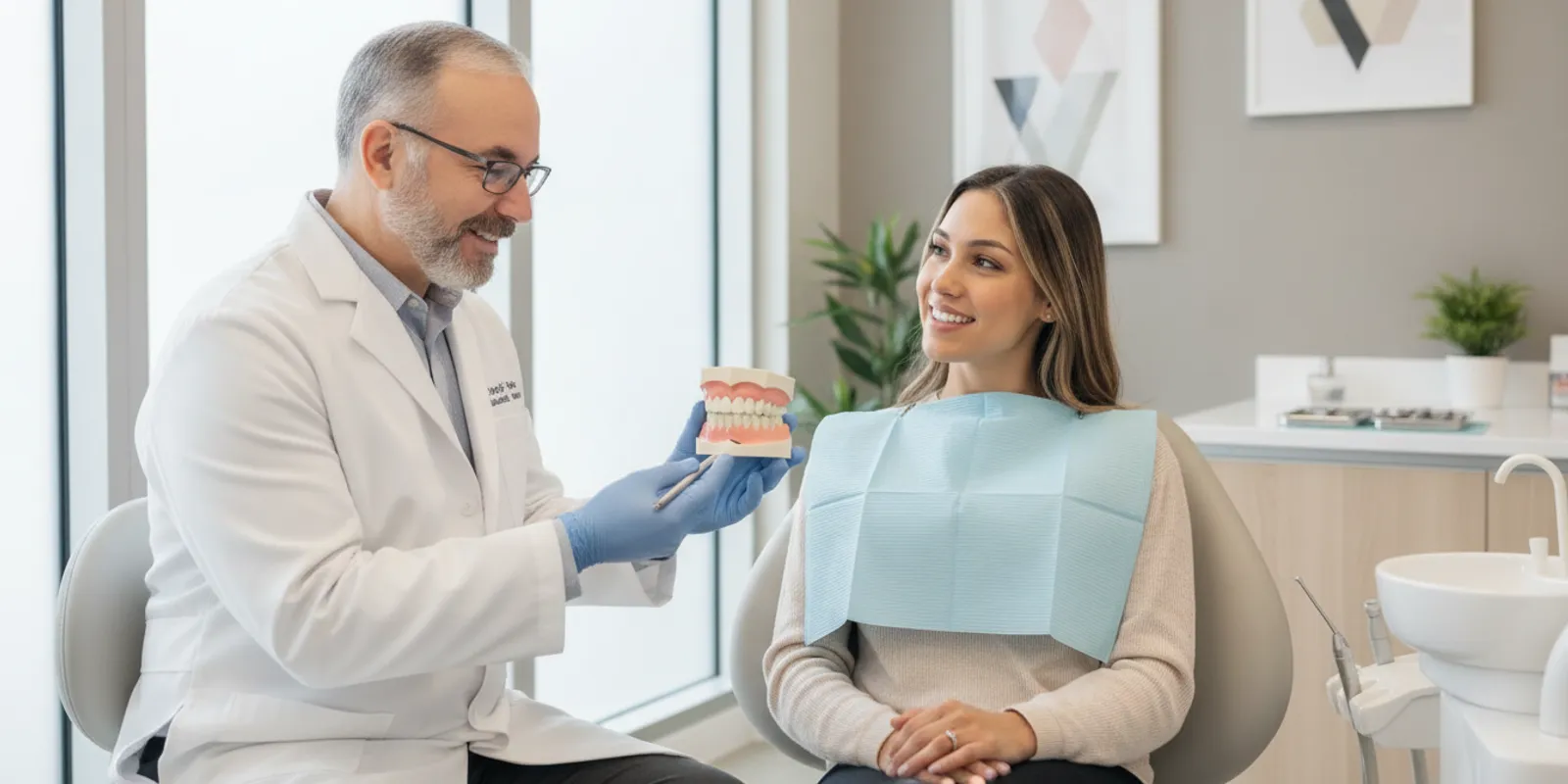
Periodontal maintenance after deep cleaning helps your dental team monitor gum health after treatment for periodontal disease. These visits may include an examination, professional cleaning of areas that need attention, and a review of home care. Your recommended schedule depends on your findings and response to treatment, so ask your clinician to explain the interval and what it is intended to monitor.
Call to ask about a periodontal evaluation
What is periodontal maintenance after deep cleaning?
A deep cleaning, also called scaling and root planing, removes plaque and hardened deposits from tooth surfaces above and below the gumline. It may be recommended when an examination finds signs of periodontal disease. Periodontal maintenance is continuing professional care after that treatment. It is not simply a one-time check, and it does not mean every follow-up repeats the deep-cleaning procedure. You can review the practice's dental services and its patient FAQ for general information about the office and arranging care; an examination is still needed for personal recommendations.
At a maintenance visit, the dental team checks how the gums are responding, cleans areas as appropriate, and discusses any concerns or difficulties with home care. The purpose is to keep track of changes and help shape the next steps. The American Academy of Periodontology offers general information about periodontal health and care at the American Academy of Periodontology; your own dentist or periodontist can explain what applies to your mouth.
Gum disease can need ongoing attention even when a person feels well. Changes around the teeth are not always easy to assess at home. Professional review gives the clinician an opportunity to compare findings over time and discuss whether the current plan is working or needs adjustment.
Why are maintenance visits recommended?
After initial treatment, care shifts from addressing the areas that prompted deep cleaning to checking how your gums are doing and maintaining a workable routine. That does not mean every person has the same needs or that a particular visit guarantees a specific result. It means the dental team has a chance to evaluate current findings and respond if something has changed. Keeping appointments also helps create a useful record: what was observed, what was done, and what should be reviewed next.
Think of the appointment as a conversation with several parts. You can describe what you have noticed at home, the clinician can assess your gums and clean as appropriate, and together you can clarify the plan. For instance, if you have been cleaning between your back teeth but cannot reach one side comfortably, mention exactly where the problem occurs. A demonstration or discussion of another aid may be more useful than a general reminder to floss.
The goal is to support gum health over time, not to promise that disease will never return. Plaque and deposits can accumulate again after treatment. Brushing and cleaning between teeth are important, but they do not replace professional examination and cleaning. Follow-up also gives you a chance to ask questions and discuss changes before they become harder to manage.
Some areas may need closer attention because they were more affected or are harder to clean. Restorations and the shape of particular spaces can also make home care more challenging. These examples do not determine an individual's plan by themselves. A dentist considers the full clinical picture, including the response to treatment, health and dental history, daily routine, and current symptoms.
Maintenance can reinforce practical habits. If an area bleeds during brushing or is difficult to reach, the hygienist may demonstrate a technique or discuss a suitable cleaning aid. Bring questions about sensitivity, brushing, flossing, or a change you have noticed. The visit is an opportunity to make the plan useful, not a test of whether you have done everything perfectly.
What may happen during a maintenance visit?
The visit depends on your history and examination. Beforehand, consider what has changed since the last appointment: symptoms, health, medication, or difficulty keeping up with care. The team may review these points, examine the gums, remove plaque or hardened deposits as appropriate, and talk through the next step.
- Health and symptom update: Tell the team about changes in your health, medications, dental care, soreness, bleeding, or swelling.
- Gum assessment: The clinician may examine the gums and record findings such as pocket measurements or bleeding. Whether measurements are taken depends on the visit and plan.
- Professional cleaning: The team may remove plaque and deposits from teeth and gumline areas. The areas and techniques depend on the examination.
- Home-care coaching: Review brushing and cleaning between teeth, including tools that fit your needs and dexterity.
- Next-step discussion: Ask when to return, what needs monitoring, and whether further evaluation should be discussed.
Some people have questions about discomfort or sensitivity. Let the dental team know before or during the visit if an area is tender or you feel anxious. They can explain what they are doing and discuss reasonable ways to make the appointment more comfortable. Do not assume a particular medication, sedation option, or technique is available or appropriate; ask the office and clinician.
A maintenance appointment is not automatically another deep cleaning. It may involve periodontal maintenance cleaning and assessment, while additional treatment is considered if the clinician finds a reason. Ask what each recommended step is for and how it relates to your examination. If you are uncertain about a proposed plan, ask what alternatives are appropriate and what could happen if care is postponed.
How often should you return?
It can help to separate the question of frequency from the question of what happens at each visit. The interval is a clinician's recommendation based on your condition and response; the appointment itself is adjusted to the findings and your needs that day. A person whose gums are being monitored in specific areas may have a different plan from someone whose examination and home-care challenges are different. Do not apply a friend's schedule or a generic calendar to your own care without checking with your clinician.
When you receive a proposed interval, ask the team to connect it to your current examination. You might say, “Which areas are you monitoring, and when do you want to compare them again?” If the timing is difficult because of work, transport, caregiving, or cost concerns, explain the barrier early. The office can discuss possible appointment options, while the clinician can advise whether changing the timing is appropriate. Avoid silently postponing care when you are unsure; a short call can clarify what to do next.
There is no single interval that fits everyone after deep cleaning. Your dentist or periodontist recommends timing based on your periodontal condition, response to treatment, and follow-up findings. The schedule may be adjusted as your situation changes. A general routine-cleaning calendar should not replace the instructions your clinician gave you after treatment.
Ask for a clear explanation. Useful questions include: What findings support this interval? What changes might lead you to adjust it? When will you reassess my gums? What should I do if I cannot make the suggested date? These questions help connect the schedule to your care instead of treating timing as an arbitrary rule.
If you missed a recommended visit or it has been longer than planned, contact the dental office and ask what appointment is appropriate now. Do not try to compensate by changing your home-care routine in a way that causes soreness or injury. A clinician can review your history and symptoms and advise whether you need maintenance or a more timely evaluation.
How can follow-up assessments shape the plan?
It is useful to understand what the team is comparing over time. Depending on the examination, the clinician may assess gum appearance, bleeding, pocket measurements, deposits, and the condition of particular teeth. Not every measure is necessarily repeated at every visit. Ask what was recorded and what a change, if any, means in context. A single observation should be interpreted as part of your history and examination rather than as a stand-alone conclusion.
Consider a practical example: you have consistently cleaned one area, but it still feels tender or seems to trap food. At the next visit, describe when you notice it, whether it is new, and what you have tried. The clinician can examine the area, decide whether any further assessment is appropriate, and help you understand the next step. The same approach applies if a cleaning tool is awkward: explain what is difficult rather than forcing it or abandoning all between-teeth care.
Follow-up is a chance to look at changes, not just repeat the same appointment. Your dental team can consider whether the gum tissue appears healthier, whether areas remain difficult to clean, and whether your home-care approach is practical. If the clinician recommends a change, ask what finding prompted it and how progress will be reviewed.
For example, you might report that one space repeatedly traps food, that brushing causes bleeding in a particular area, or that a cleaning aid is uncomfortable to handle. Those details help the clinician focus the discussion and demonstrate another approach if appropriate. They do not, by themselves, establish a diagnosis or determine treatment. The dentist will interpret what you describe alongside the examination and your history.
It is also reasonable to ask how the team will assess whether the plan is helping. You might ask which areas they are watching, whether measurements or other findings will be compared at a later visit, and when the plan will be reviewed again. Keeping the explanation specific makes it easier to understand why follow-up has been recommended and what you can do between appointments.
Patients do not all respond to treatment in the same way. Health history, daily habits, access to care, and the condition of particular teeth can all be relevant to recommendations. Advice from a friend or a schedule found online may not match the plan suited to your examination. Share health changes and barriers to following the plan, including trouble using a cleaning aid or arranging appointments.
Brief notes between visits can help. Record questions, new symptoms, areas where cleaning feels challenging, or anything that changed after treatment. Notes can make it easier to describe what is happening during an appointment. If a symptom is significant or worsening, do not wait for a scheduled visit just to bring notes; call a dental professional for guidance.
What can you do at home between visits?
Build the routine around what you can repeat comfortably. If mornings are rushed, decide where supplies will stay and choose a reliable time later in the day for careful cleaning. If you tend to forget, a phone reminder or note by the sink may help. These are organizational ideas, not substitutes for clinical instruction; the right technique and tools depend on the spaces in your mouth and your ability to use them.
When a routine is not working, identify the specific obstacle before the next visit. Is the handle hard to grip? Is one area difficult to reach? Does a product seem to irritate your mouth? Bring the tool or describe the problem and ask for an alternative or demonstration. Someone with limited hand mobility may need an adapted handle or a different approach, while another person may simply need help understanding the movement. A clinician can discuss options suited to the individual.
Consistency is more realistic when expectations are clear. Ask the dental team to show you the direction and pressure they recommend, then try the technique and ask whether your approach looks right. Do not respond to bleeding or concern by scrubbing harder. If a symptom persists or worsens, report it and let a professional assess the cause. Small, specific adjustments can make home care easier to sustain without turning it into a source of avoidable discomfort.
Daily home care is an important part of ongoing gum care. Follow the instructions for your mouth, and ask for a demonstration if you are unsure about a technique. Gentle, consistent cleaning is more useful than brushing aggressively. If a tool is difficult to use or causes persistent discomfort, tell the dental team so they can discuss an alternative.
- Brush regularly with a soft-bristled toothbrush, cleaning along the gumline without scrubbing forcefully.
- Clean between teeth as instructed. Depending on the spaces and your needs, the clinician may discuss floss or another suitable aid.
- Use recommended oral-care products as directed, and ask before adding products if you have concerns about irritation or your care plan.
- Keep the follow-up visits recommended by your clinician, and let the office know if scheduling or access is a barrier.
- Notice changes in your gums, teeth, or comfort and share them with a dental professional rather than diagnosing the cause yourself.
A simple routine can be easier to maintain. Keep your toothbrush and between-teeth supplies where you will use them, and set a reminder if that helps. If you care for a teen, older adult, or someone who has trouble with hand coordination, ask the clinician about practical adaptations. The aim is a plan suited to the person's abilities and oral health, not a one-size-fits-all checklist.
Which symptoms should prompt a call?
Contact a dental professional if you notice new or worsening gum swelling, persistent bleeding, discomfort, a change in how your teeth fit together, or another change that concerns you. These signs can have different causes and cannot be diagnosed from a description alone. An examination is needed to determine what is happening and whether care is needed.
Seek prompt professional guidance for significant pain, swelling, suspected infection, injury, or symptoms that are getting worse. If you have trouble breathing or swallowing, seek emergency medical care. For urgent dental concerns, call the office first to discuss the issue and possible evaluation; do not assume that same-day or after-hours care is guaranteed.
How can you prepare for the appointment?
A little preparation can make the visit more productive, especially if you have several concerns or a long gap since the last appointment. Before you go, note when you completed deep cleaning, any new health or medication changes, and what feels different in your mouth. Keep the list brief and prioritize the issue that matters most to you. If you have trouble remembering details during the appointment, bring the notes on your phone or paper.
It can also help to know what outcome you want from the conversation. You may want to understand why a particular interval was recommended, learn how to clean one difficult area, or clarify whether further evaluation is being considered. Ask the clinician to explain unfamiliar terms and to distinguish what is known from what still needs assessment. If the plan has several steps, ask which one comes first and when you will review progress. Clear explanations support informed decisions without requiring you to reach a conclusion on your own.
What should you ask at your next appointment?
A useful conversation can make the ongoing plan easier to follow. Consider asking:
- What did you observe in my gums today, and how does it compare with my earlier examination?
- What is the purpose of each part of the recommended maintenance visit?
- How often should I return for now, and what would change that timing?
- Which areas should I pay special attention to when brushing or cleaning between teeth?
- What should I do if I notice bleeding, swelling, discomfort, or another change before my next visit?
- When will we review whether the current plan is meeting my needs?
If a recommendation is unclear, ask the clinician to explain it in everyday language. You can also ask what choices are available, what each option involves, and whether there is time to consider the information. Treatment decisions should be based on an examination and discussion of your circumstances.
Frequently asked questions
Is periodontal maintenance the same as a regular cleaning?
Not necessarily. Periodontal maintenance follows care for gum disease and is planned around your periodontal findings and history. A routine preventive cleaning has a different purpose and may not address the same needs. Your dental team can explain which type of appointment is recommended for you.
Will every maintenance visit include deep cleaning?
No. A maintenance visit is not automatically a repeat of scaling and root planing. The clinician assesses your current condition and provides care based on the findings. If additional treatment is being considered, ask what the examination showed and why it may be appropriate.
Can I stop maintenance if my gums feel fine?
Feeling comfortable does not by itself show whether periodontal disease is stable. Do not stop a recommended follow-up schedule without discussing it with your dentist or periodontist. They can review your findings and tell you whether the plan should continue or change.
What if I cannot attend at the recommended time?
Call the dental office and explain the scheduling issue. The team can discuss the next available appointment and whether your clinician recommends a particular timeframe. If you develop new or worsening symptoms while waiting, call for guidance rather than waiting for a routine visit.
Continuing care in Aventura
Aventura Dental Center serves patients in Aventura and nearby communities from its Aventura office. After deep cleaning, ongoing periodontal care is based on examination findings, home-care needs, and how your gums respond over time. Contact the office to ask about an evaluation and discuss follow-up care that may fit your needs.
Call the office to discuss follow-up care
Keeping the recommended follow-up and asking questions when your plan is unclear can help you make informed decisions about gum care.