
Cracked tooth vs cavity: What Patients Should Know
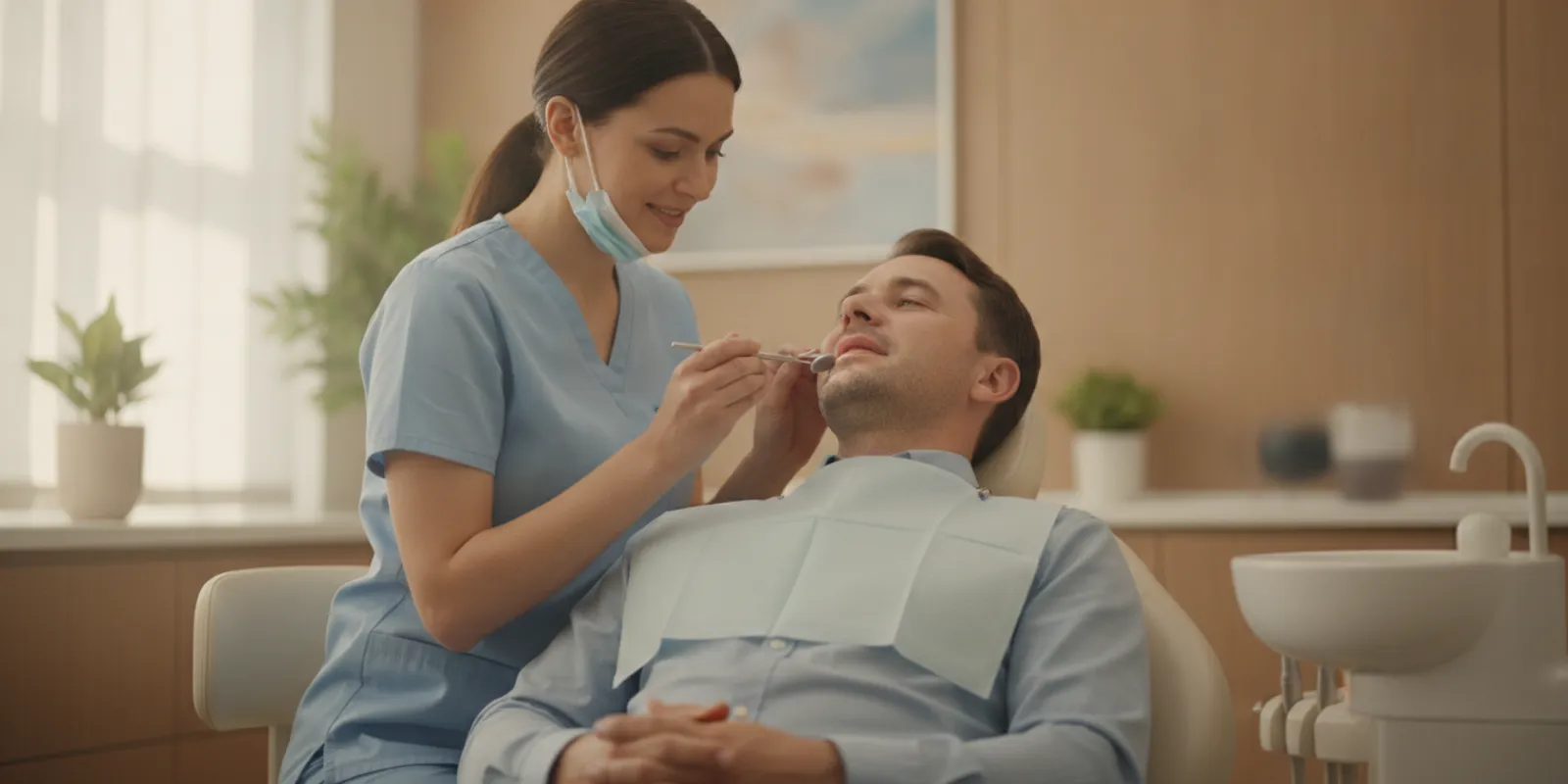
When comparing cracked tooth vs cavity symptoms, the timing and trigger of discomfort may offer clues, but they cannot identify the cause by themselves. Both problems can lead to sensitivity or pain, and sometimes a tooth has more than one issue. A dental professional can examine the tooth and discuss whether further checks or treatment may be appropriate. This guide explains common patterns without turning them into a home diagnosis.
Call to discuss a dental evaluation
What is the difference between a cracked tooth and a cavity?
A crack is a break or fracture in the tooth structure. The term cracked tooth is generally used for a fracture that follows the long axis of a tooth, although cracks can differ in position, direction, and depth. Some are visible; others are difficult to see without a dental assessment. A crack can affect different parts of a tooth, and its importance depends on what the examination shows, not simply on whether a line can be seen.
A cavity is an area of tooth decay. Decay develops as tooth structure breaks down, and it may begin in a small area before progressing farther into the tooth. A cavity can be visible as a spot or hole, but a person cannot reliably judge its depth or extent by looking at it. Some affected areas are not easy to see at home, and early decay may not cause pain. A clinician evaluates the tooth rather than relying only on its appearance.
The distinction matters because a crack and decay are different kinds of damage. A crack involves a fracture; a cavity involves decay. Each may weaken tooth structure, and they may occur at the same time. For instance, an area weakened by decay may be more vulnerable to damage, while a fractured area may be harder to keep clean. A tooth may also hurt for a different reason that resembles either problem. Only an evaluation can establish what is affecting a particular tooth.
A journal overview describes a cracked tooth as a fracture following the long axis of a tooth. That definition helps explain the term, but it does not show how severe an individual crack is or what care it may need. The journal overview of cracked teeth is background information; an examination of your tooth is more relevant to your own next steps.
What symptoms might suggest a cracked tooth?
People sometimes notice a sharp, brief pain when they bite or chew. Discomfort may occur as pressure is applied, or at the moment the bite is released. It may come and go rather than remain constant. In some cases, it is hard to identify which tooth is responsible, particularly when the sensation is brief or seems to travel. These patterns may be useful to report, but none proves there is a crack.
Other possible clues include sensitivity to cold or heat, discomfort when chewing on one side, or a visible line or missing piece. These are possibilities, not a checklist that confirms a fracture. Some cracks do not cause obvious symptoms, and some are not visible to a patient. A tooth may be sensitive for reasons other than a crack, too. Even a visible line does not tell you how far a fracture extends or whether it affects deeper structures.
- Biting pressure: Pain may happen when you chew or when you stop pressing down.
- Intermittent discomfort: The tooth may feel normal between episodes.
- Temperature response: Cold or heat may provoke a brief sensation, though this can happen with other dental concerns.
- Hard-to-locate pain: You may know something feels wrong without being certain which tooth is involved.
- Visible change: A chip or line may be noticeable, but not every crack can be seen at home.
Do not repeatedly bite hard objects to test for a crack. That cannot provide a reliable diagnosis, and placing repeated pressure on a damaged tooth may worsen discomfort or damage. Instead, note what happened during an ordinary meal or activity and share the details with a dentist. Avoid trying to magnify a crack with a sharp object, scraping the tooth, or repeatedly pressing the area with a fingernail.
What symptoms might suggest a cavity?
Tooth decay can be present before a person notices anything. As decay progresses, a tooth may become sensitive to sweet foods or drinks, cold, or heat. There may be a localized ache or a visible change in the tooth. If the affected area becomes deeper, symptoms can change, but there is no single pattern that applies to everyone. A cavity may also be discovered during an examination even when the tooth has not hurt.
Food catching in one area can be a reason to ask a dental professional about it, especially if the spot is new or recurring. A visible dark or light mark may also deserve attention. Neither observation proves there is decay: a mark can have other explanations, and food can catch for reasons besides a cavity. Avoid trying to scrape, file, or probe the area yourself. An at-home look cannot reliably distinguish stain, a surface change, a cavity, or a fracture.
- Sensitivity to sweet foods: This can occur with decay, but it is not exclusive to decay.
- Temperature sensitivity: A cavity may react to cold or heat, though a crack or exposed tooth surface may do so as well.
- A dull ache: Local discomfort can have several causes and needs context.
- A visible spot or hole: An appearance at the surface does not reveal the full extent of a problem.
- No symptoms: Early decay may not hurt, so comfort alone does not rule it out.
It is easy to assume that a painless tooth is healthy or that a dark mark must be a cavity. Neither conclusion is dependable without assessment. A dentist may look at the tooth, check how it responds, and consider imaging or other evaluation steps based on the findings. It is sensible to ask about a change even if it does not hurt, particularly if it persists or is new.
How do symptoms and triggers compare?
Paying attention to what brings on discomfort can help you explain it at an appointment. It cannot settle whether the cause is a crack or decay. Biting pain is often associated with a crack, and sensitivity to sweets may be associated with decay, but the patterns overlap. A cracked tooth can react to temperature, and decay can hurt during chewing when enough tooth structure is affected. Use a trigger as a detail to report, not as a way to label the problem.
| What you notice | What it may be associated with | Why it is not a diagnosis | | ------------------------------------------------- | ------------------------------------------------ | -------------------------------------------------------------------------- | | Sharp pain during biting or as you release a bite | May occur with a crack | Other tooth, filling, or bite problems can also cause pain under pressure. | | Sensitivity to sweet foods or drinks | May occur with decay | Other exposed or irritated tooth surfaces can be sensitive too. | | Cold or heat sensitivity | Can occur with a crack or a cavity | The response alone does not identify the damaged area or cause. | | Food catching in a particular spot | Can occur around a cavity or a damaged surface | Contact between teeth and other surface changes can also trap food. | | No pain | Can occur with early decay or an unnoticed crack | Lack of symptoms does not rule out a dental concern. |
The timing, duration, and intensity of a sensation may be useful details, but they still do not replace an examination. For example, a brief cold response and lingering discomfort are not interchangeable descriptions. Share what you actually notice rather than trying to match your symptoms to a particular diagnosis. If you do not know whether the sensation stops quickly or persists, say that you are unsure.
Consider a few common situations. Someone who feels a sharp jab while biting a crusty piece of bread may wonder about a crack, but that single episode does not confirm one. A person who notices a zing after a cold drink may wonder about decay, yet temperature sensitivity has several possible explanations. If food repeatedly catches between two teeth, that detail may help the dentist inspect the contact area, but it does not establish that a cavity is present. And if a tooth has no symptoms, that silence cannot rule out early decay or an unnoticed fracture.
The practical lesson in each example is the same: describe the event without naming the cause. State whether the sensation came during the bite or after it, whether it happened once or repeatedly, and whether a visible change accompanied it. The dentist can use those details alongside examination findings. A symptom pattern may help shape the evaluation, but it is not a substitute for it. This factual account is more useful than a guess made from a symptom list.
A simple note can also help avoid overinterpreting day-to-day changes. Perhaps a tooth only feels different when chewing on a particular side, or the response to cold seems to vary. Record what actually happened and avoid intentionally recreating the sensation. If you are not sure whether the issue is one tooth or several, say so. Clear uncertainty is more helpful than a confident guess that may steer attention away from other possibilities.
Why can a crack and a cavity feel alike?
Teeth have layers, and a problem near the outer surface may feel different from one that affects deeper parts. But sensation is not a map of the damage. The location of the tooth, the force applied during chewing, the condition of an existing filling or crown, and a person's individual response can all affect how discomfort feels. The same person may also describe similar discomfort differently at different times.
A small crack may cause occasional pain rather than a constant ache. A cavity can remain painless for a time, then become more noticeable. Either issue may be sensitive to temperature. A tooth can also have a crack and decay together, or have a different problem that resembles one of them. For these reasons, symptoms can narrow the questions to ask without proving the answer. It is better to communicate the pattern and let the clinician weigh the possible causes.
It can help to separate three observations: what you feel, what seems to trigger it, and what you see. A sharp sensation on the left when you release a bite, for example, is a useful report. I know I have a crack is a conclusion that requires assessment. A simple description leaves room for the clinician to consider several possible explanations, including causes that do not match your initial assumption.
Do not wait for pain to become severe before taking a recurring concern seriously. At the same time, a single episode does not tell you that the tooth is in immediate danger. If discomfort returns, a piece breaks, or a tooth becomes increasingly sensitive, contact a dental office to discuss an appropriate evaluation. You do not need to decide whether the issue is a crack or cavity before calling.
How can you keep useful notes before an appointment?
A short, factual record can make it easier to describe what is happening. It need not be a formal diary. Write down the approximate date symptoms began, the tooth or area you suspect, and what you were doing when you first noticed the sensation. If the discomfort recurs, note the trigger and whether it stops quickly or lasts longer. Avoid testing the tooth deliberately just to complete the record.
- Location: Is it on the upper or lower jaw, and on which side? If you cannot tell, say so.
- Trigger: Did it happen during an ordinary bite, after a cold drink, with a sweet food, or without a clear trigger?
- Timing: Did it begin recently, return over time, or change after a particular event?
- Duration: Did the sensation fade quickly or continue after the trigger was gone?
- Change: Is the frequency, intensity, or type of discomfort different from when it began?
- Relevant history: Mention a recent injury, a lost or changed filling, a crown, or dental work if it applies.
These notes are prompts for a conversation, not a home diagnostic test. There is no need to provoke a reaction to fill in a blank. If you did not notice a particular trigger, simply say that you are unsure. If you have a photo of a visible change, you can ask whether it is useful to show, but a photo cannot reveal everything about the tooth, including how deep a problem extends.
When contacting an office, explain whether the concern is pain, a broken area, sensitivity, or another change. If symptoms are severe or worsening, or you notice swelling, say so clearly. This helps the office understand the concern and discuss what to do next without assuming a diagnosis over the phone. Mentioning when the symptoms started and whether they are changing is useful even if you cannot identify a specific tooth.
How might a dentist evaluate a possible crack or cavity?
An evaluation generally begins with questions about your health and dental history and the concern that brought you in. Describe when discomfort happens, how long it lasts, what seems to trigger it, and whether it has changed. Mention any visible break, recent injury, or restoration that feels different. The dentist can then examine the tooth and the surrounding tissues. These details help put what is seen during the examination into context.
The examination may include looking closely at the tooth, considering its existing fillings or crowns, assessing the bite, and checking how it responds to selected stimuli. Imaging may be considered when appropriate. A standard image does not necessarily show every crack, so a normal image by itself may not answer every question. The clinician chooses evaluation steps based on your situation and explains what those steps can or cannot show.
No single test should be treated as a guarantee that every crack or cavity will be identified. The dentist considers the history, examination findings, and any additional checks together. If the source remains unclear, you can ask what is known so far, what possibilities remain, whether follow-up is recommended, and what changes should prompt a call sooner. The goal is to understand the available evidence and decide what next step is reasonable for the individual situation.
It is reasonable to ask the clinician to walk you through the evaluation in ordinary language. You might ask what areas were examined, whether there is visible decay or a fracture, and whether an existing filling or crown changes the picture. If imaging was taken, ask what it shows and what it cannot show. If the results do not give a definite answer, ask what the next useful step is and whether observation over time is appropriate. These questions help you understand the reasoning without expecting one test to settle every uncertainty.
The examination may also identify a different explanation for the discomfort. For example, a tooth may be sensitive for reasons other than a cavity or crack, or the source may not be the tooth you first suspected. This is another reason to avoid self-diagnosis based only on a sensation's location. The dentist may examine surrounding teeth and tissues as part of understanding the concern. If the findings point elsewhere, ask what that means and whether a different kind of follow-up is appropriate.
Before leaving, make sure you understand what is being recommended now and what remains uncertain. If follow-up is suggested, clarify when to return or what changes should prompt an earlier call. If treatment is proposed, ask whether the goal is to address decay, stabilize damaged structure, relieve a symptom, or another concern. This does not mean every visit will end with a procedure; sometimes the purpose is to assess the situation and explain reasonable options.
Aventura Dental Center describes first visits as including a history, imaging when needed, an examination, and an individualized discussion. Its patient FAQ offers general information about what to expect. You can also review the practice's dental services; the right option for a specific tooth still depends on individual evaluation and planning.
How might care differ for a crack and a cavity?
Care depends on what the examination shows, how much tooth structure is affected, the condition of the tooth, and your individual needs. The same symptom can lead to different discussions in different cases. A dentist can explain the findings and possible next steps, including the purpose and limits of an approach and whether monitoring or treatment is being considered. There is no guaranteed outcome or single path that fits all teeth.
When a cavity is identified, a restoration may be considered when appropriate. If decay affects more of the tooth or reaches deeper areas, additional treatment may be discussed. The plan depends on the location and extent of decay and on the condition of the remaining tooth. A visible mark alone does not determine whether a restoration is needed or what kind would be suitable. Ask what the examination found rather than assuming every dark area calls for the same procedure.
For a crack, the clinician considers its position and extent and whether the tooth can be restored. Some situations may be monitored or repaired; a more significant fracture may lead to a different treatment discussion. There is no single repair that fits every crack. A tooth with a crack and decay may require a plan that accounts for both issues rather than treating the symptoms as if they had one cause. The clinician can describe what is known and what remains uncertain.
These possibilities are general, not recommendations for your tooth. Ask the dentist to describe what was found in plain language. It may help to ask whether the damage is limited to one area, whether the tooth is considered restorable, what options are reasonable, and what the benefits and limitations of each option may be. If the findings do not support an immediate procedure, ask what monitoring or follow-up would involve. You can also ask what would change the plan.
One way to compare options is to ask what each option is intended to do and what it would mean for the tooth. Is the plan meant to remove decay and restore the affected area, protect a weakened part of the tooth, or address a deeper concern? Are there reasonable alternatives, including observation in the current circumstances? What could change the recommendation later? The answers depend on the examination, but asking the same questions about each option can make the differences easier to understand.
For instance, if a dentist finds decay but no evidence of a fracture, the conversation may focus on the extent of decay and the way the tooth can be restored. If the dentist suspects a crack, discussion may focus on where it extends and whether the tooth can be supported. If both are present, the plan may need to address both findings. These examples illustrate why the label alone does not determine treatment: two people who describe the same pain may have different examination results and different options.
You can also ask what information is still missing before a decision can be made. A recommendation may depend on an additional check, a review of the tooth's history, or observing whether symptoms change. Ask how to contact the office if the situation changes while you are considering the plan. Clear next-step instructions are especially useful when pain is intermittent and you are unsure whether a new episode is important.
Before deciding, you can ask what may happen if treatment is delayed, what signs would require earlier contact, how many visits the proposed plan may involve, and whether another evaluation is appropriate. Treatment sequence and timing vary with the situation. Fees and insurance coverage also vary, so ask about the proposed plan and your own benefits rather than relying on a general online estimate. A written explanation of the proposed care may help you review it later.
What can you do while arranging an evaluation?
If you have recurring sensitivity, pain with chewing, a visible break, or a concern about decay, arrange a dental evaluation. While you are waiting for guidance, avoid chewing hard foods on the affected side if that is uncomfortable. Choose foods you can manage comfortably, continue gentle brushing, and keep the area clean. These steps do not repair a crack or treat decay, and temporary comfort does not show that the underlying concern has resolved.
Think of these measures as ways to avoid unnecessary irritation, not as treatment. If crunchy or sticky foods trigger discomfort, choose softer foods that are comfortable to chew until you receive advice. Do not switch to a diet that prevents you from eating adequately, and do not put off contacting a dentist because a softer meal feels easier. Keep brushing gently instead of avoiding the area entirely, since keeping the mouth clean remains important. If brushing the spot is painful, tell the office rather than scrubbing harder or trying to clean beneath a broken edge with a sharp object.
If the tooth has a visible chip, avoid picking at it or trying to smooth it yourself. A fragment can be saved for the appointment if convenient, but do not delay seeking guidance just to find or preserve a small piece. If there has been a blow to the mouth, say so when calling, even if the tooth does not look dramatically different. The context can help the dental team understand why you are seeking care and what concerns to discuss. Do not use glue or household materials on a tooth.
Do not try to glue a broken piece back in place, file the tooth, or put aspirin or another medication directly on the tooth or gums. Do not keep testing the tooth by biting on hard items. If a piece has broken off, you may keep it and bring it to the appointment if practical. Rinsing gently with water can help clear debris from the area. If the area is uncomfortable, avoid manipulating it while you wait for professional guidance.
A cold compress on the outside of the face may help with swelling while you arrange care, but it does not replace an assessment. For questions about medicines, follow the product directions and ask a qualified health professional if you are unsure whether a medicine is safe for you. Avoid assuming that temporary symptom relief means the underlying problem has resolved. If swelling is significant or worsening, contact a dental office promptly.
Contact a dental office promptly if you have significant or worsening pain, swelling, a suspected infection, or a dental injury. Call first to discuss the concern and availability. Aventura Dental Center does not guarantee same-day evaluation and is not a 24-hour provider. Trouble breathing or swallowing, or rapidly worsening facial swelling, calls for emergency medical care.
When should you seek prompt dental guidance?
Recurring discomfort is a reason to arrange professional evaluation, even if it fades between episodes. A broken tooth, a new visible hole, or a restoration that feels loose or changed also deserves discussion. Contact a dental office for guidance rather than waiting for a routine appointment if pain becomes severe, symptoms are getting worse, or swelling appears. An office can advise about the next step based on what you report and its availability.
If you call, give a clear account of what changed and when. Be specific about swelling, injury, or difficulty eating, and mention whether symptoms are progressing. The office can advise on an appropriate next step based on the information you provide and its availability. Do not interpret a phone conversation as a definite diagnosis; an in-person examination may be needed. If you are calling for someone else, describe what they have told you and whether the situation has changed.
Some symptoms require emergency medical attention rather than waiting for a dental appointment. In particular, seek emergency care for difficulty breathing or swallowing or rapidly worsening facial swelling. When you are uncertain how urgent a symptom is, contact a qualified health professional for immediate guidance. Do not wait for a routine checkup if symptoms are escalating.
What does monitoring a tooth concern involve?
Sometimes a clinician may recommend watching a concern rather than taking an immediate treatment step, depending on the findings. Monitoring does not mean ignoring the tooth or trying to diagnose it yourself. Ask what is being monitored, what follow-up is appropriate, and what changes should lead you to call sooner. The details should be tailored to the examination and your health history. A clinician can explain why monitoring is being considered and what it can and cannot establish.
It can help to distinguish an agreed follow-up plan from simply waiting without guidance. If symptoms are intermittent, ask how to report a change and whether you should schedule a return visit. If an area appears to change, or discomfort becomes more frequent or intense, contact the office rather than assuming it is still safe to wait. A symptom record can help you explain the difference from your earlier baseline. Keep instructions from the visit so you can refer to them if a new symptom occurs.
Monitoring also does not imply that every tooth with a possible crack will worsen or that every cavity needs the same immediate response. The clinician weighs the available findings and explains the uncertainty and options. If you are not clear about the plan, repeat it back in your own words and ask whether you understood correctly. You can ask for clarification before agreeing to a procedure or deciding to defer it. The purpose is to make an informed decision with guidance rather than guess alone.
For families arranging care for a teen, adult, or older relative, it may be useful to help the patient describe symptoms and bring a list of questions, while allowing the patient to explain what they feel in their own words. For an older adult with existing restorations, mention any recent change in fit or chewing comfort. In each case, the examination—not age or a symptom alone—guides what should happen next. The person experiencing the discomfort can identify details that someone else may not notice.
How can you support tooth health over time?
Not every cavity or crack can be prevented, but routine habits support oral health. Brush twice a day with fluoride toothpaste, clean between teeth, and attend dental visits on a schedule recommended for you. Limiting frequent exposure to sugary foods and drinks can also be part of an oral-health routine. Your dental professional can discuss habits that fit your needs and history. These steps support dental health but do not guarantee that a tooth will never need care.
Avoid chewing ice, hard candies, or other very hard objects, and do not use your teeth to open packaging or bite non-food items. Wear a mouthguard for activities where dental protection is recommended. If you clench or grind your teeth, mention it at a dental visit; a dentist can assess whether a protective option may be appropriate. These steps reduce avoidable strain, but they cannot guarantee that a tooth will never crack. Ask for specific advice if you have a habit that concerns you.
Keep an eye on restorations as part of ordinary self-care. If a filling, crown, or other restoration feels loose or changed, ask a dental professional about it rather than waiting for pain. Do not try to adjust a restoration yourself. Regular visits can also give you a chance to ask about areas that are difficult to see or clean. A change in how something feels is useful to report, even if you cannot tell whether it is related to a crack or decay.
Prevention is not a promise against decay or fractures. Tooth condition, habits, prior dental work, and other factors differ from person to person. If you are unsure how often to schedule checkups or what preventive steps matter most in your situation, ask your dental professional for individualized guidance. An appropriate schedule may differ from someone else's, so use advice based on your own oral health rather than adopting a fixed interval from a general article.
Frequently Asked Questions
Can a cavity feel like a cracked tooth?
Yes. Both can cause sensitivity or pain, including discomfort with cold or chewing. The same symptom can have different causes, so a professional examination is needed to assess what is happening. Describe your triggers and timing rather than deciding what the cause must be.
Does pain when biting mean I have a cracked tooth?
No. Pain with biting may occur with a crack, but other dental problems can cause a similar response. Avoid repeatedly testing the tooth. Tell a dentist when the pain happens and arrange an evaluation, particularly if it recurs or worsens.
Can a cavity be present without pain?
Yes. Decay may not cause noticeable symptoms early on. A tooth that feels comfortable is not proof that it is free of decay, and appearance alone cannot determine the extent of a problem. Ask about a new visible change even if it does not hurt.
Can a dentist always see a crack on an image?
Not necessarily. Imaging may be useful as part of an evaluation, but some cracks may not appear on a standard image. The dentist considers the history and examination along with any imaging or other checks that are appropriate. Ask what the image can show in your case.
When should I call about tooth pain or a broken tooth?
Contact a dental office promptly for significant or worsening pain, swelling, a suspected infection, or an injury. Trouble breathing or swallowing or rapidly worsening facial swelling requires emergency medical care. Call first to discuss the concern and the available next step.
Call to ask about an evaluation
A cracked tooth and a cavity can produce overlapping symptoms, so use what you notice as information to share—not as a diagnosis—and ask a dental professional to help determine the next step.